Antique Clay – Red Speckled Pool Ball Set
(Item 77) Antique Clay - Red Speckled Pool Ball Set. Early 1900s clay - red speckled pool ball set. Rare! Excellent condition. Size: 2 1/4".

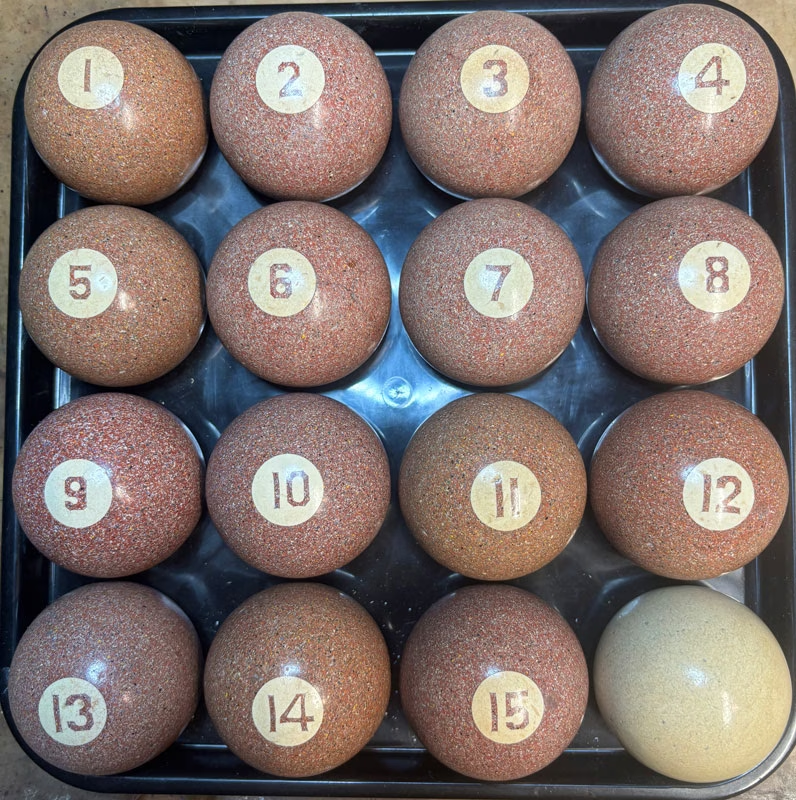
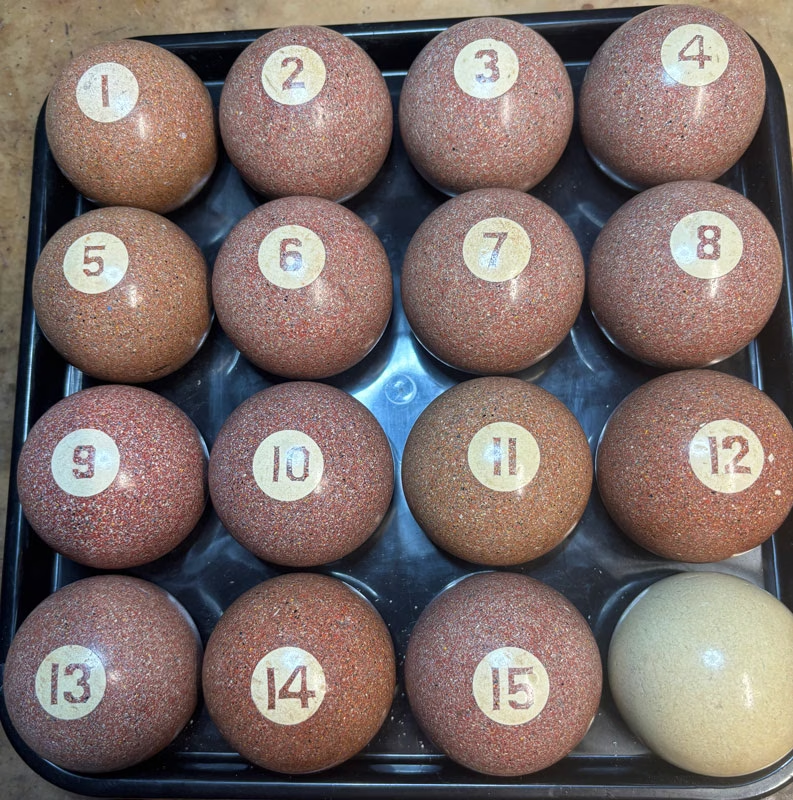
(Item 77) Antique Clay - Red Speckled Pool Ball Set. Early 1900s clay - red speckled pool ball set. Rare! Excellent condition. Size: 2 1/4".
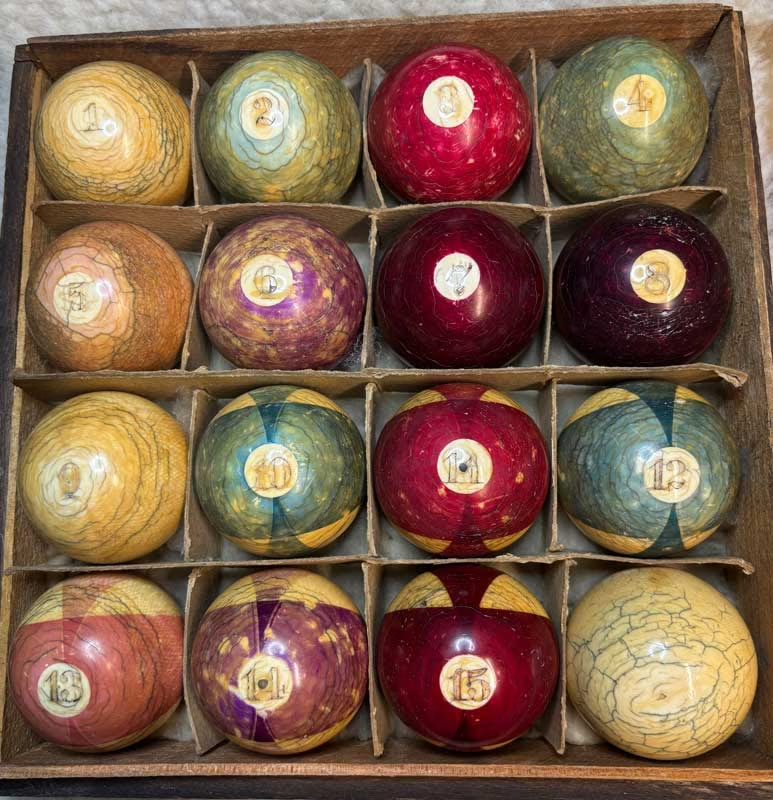
(Item 76) This exceptional set of billiard balls dates back to the 1880s, representing a classic era of craftsmanship. Each ball measures 2 1/4" and features hand-scrimshawed numbers accompanied by surface-dyed colors. The set displays a great patina, showcasing the natural character and aging expected of pieces from this period, including some authentic color fade. Nice colorful matching ivory pool ball set. Please email for more information before they are gone.

(Item 75) The "holy grail" for serious billiard historians. While the clay balls were the affordable alternative, these Zanzibar Ivory "Beach Ball" sets were the absolute pinnacle of 19th-century luxury. The name "Beach Ball" refers to the distinctive Double Stripe pattern that wraps around the ball, a design hallmark of the high-Victorian era. The Anatomy of an Antique Ivory Set Zanzibar Ivory: In the 1880s, "Zanzibar" was the trade term for the highest quality elephant ivory. It was prized for its density and "straight grain," which allowed the balls to stay balanced as they rolled. Surface Dyed & Scrimshawed: Unlike modern balls where the color is through-and-through, these were surface dyed. Over 140 years, this dye wears down, creating the sought-after "faded" antique look. The numbers were hand-scrimshawed (engraved) by artisans, making every ball a unique piece of folk art. "Great Crazing": In the antique world, "crazing" refers to the fine, web-like surface cracks that develop as ivory breathes and ages. To a collector, this isn't a defect—it’s the "fingerprint" of authenticity that proves the material is genuine organic ivory and not a later celluloid imitation. Item Profile: Feature Detail Significance Maker Brunswick-Balke-Collender The premier brand of the 1880s. Pattern Double Stripe "Beach Ball" One of the most iconic and rare designs in billiards. Size 2\ 1/4" Regulation size, which is rare to find in a complete ivory set. Condition "Minor Issue" Crucial Collector's Notes: "Pick Up Only": Due to the fragility of the ivory and the strict legal regulations (CITES/ESA) regarding the commercial sale of ivory. Transporting these across state or international lines often requires specific provenance paperwork showing they are "Pre-Act" (pre-1976). Climate Sensitivity: Ivory is a "living" material. These balls must be kept in a climate-controlled environment. If they get too dry or too hot, the "crazing" [...]


(Item 74) This is clearly the showstopper, Finding a complete 1880s ivory set in Museum Quality—especially with the original individual chamois bags—is an occurrence that most billiard historians only see once in a decade. The "Gold Standard" of Sets The presence of the chamois bags is not just a luxury touch; it is the reason this set survived in such high condition. Ivory is highly reactive to oils from skin and fluctuations in humidity. The individual bags prevented the balls from knocking against each other (which causes "spidering") and regulated the moisture levels over the last 140+ years. The "Beach Ball" Double Stripe: This pattern is the hallmark of the Brunswick-Balke-Collender "Golden Age." The surface-dyed colors in the 1880s were often derived from natural pigments, which is why the reds and blues on these sets have a soft, organic "glow" that modern resin cannot replicate. Hand-Scrimshawed Numbers: On a "Museum Quality" set, the engraving should be crisp, with the original ink still visible within the scrimshawed grooves. Item Profile: Feature Detail Significance Era Circa 1880s Peak of the American "Billiard Empire" expansion. Material Grade-A Ivory Selected for uniform density and minimal grain visible. Packaging Individual & Master Chamois Extremely rare; indicates the set was owned by an elite player or collector. Condition Museum Quality High valuation; likely free of the heavy "crazing" Comparative Analysis: Item 74 vs. Item 75 Item Condition Preservation Market Role Item 75 "Minor Issue" Size: 2/ 1/4" Accessible high-end investment / Display. Item 74 Museum Quality Double-bagged Chamois The "Anchor" for a world-class collection. Curator's Note The original packaging (the chamois bags) can account for a significant percentage of the total market value. A Warning on Light: For a set of this quality, avoid displaying them in direct sunlight. UV rays can "bleach" the surface-dyed stripes [...]

(Item 73) While the previous sets (Items 74 & 75) were full 15-ball sets for games like "61-pool" or "15-ball," this Two Ball Set was specifically curated for games like Three-Ball Billiards (Carom), where only two white balls (one with a spot) and one red ball were used. The Significance of the "Two Ball Set" In the 1880s, professional matches often focused on Carom Billiards, a game of extreme finesse played on tables without pockets. The Pairing: Typically, a "Two Ball Set" in ivory consists of two white balls. To differentiate them during play, one ball would feature a small black "spot" or "ring" scrimshawed into the surface—known as the "Spot Ball." Material Density: Because Carom requires the balls to travel great distances and click off each other with precision, the ivory used for these sets was often the densest "heart-of-the-tusk" Zanzibar ivory. The "BBC" Branding: Seeing "BBC" (Brunswick-Balke-Collender) on a two-ball set from the 1880s is particularly rare. Most two-ball pairs were broken up from larger sets or lost over time; finding a matched pair that has stayed together for over 140 years is a rarity. Item Profile: Feature Detail Significance Era Circa 1880s The peak of the Carom Billiard era in America. Material Grade-A Ivory Offers the "natural" hit prized by traditionalists. Condition "Great Condition" Implies minimal "pitting" or "flat spots" from heavy impact. Investment Potential High Specialized sets (2-ball or 3-ball) are often harder to find than standard 15-ball sets. Handling & Conservation ,These balls are sensitive to their environment. The "Spot" Ball: Check the scrimshawed spot; in "Great Condition" sets, the black pigment should still be dark and centered. Expansion/Contraction: Avoid moving these balls quickly from a cold storage area to a warm room. The sudden temperature shift can cause ivory to "pop" or develop deep [...]


(Item 72) This represents the pure, minimalist heart of late 19th-century competitive billiards. Unlike the larger 15-ball sets used for "Pool," a Billiard Ball Set (specifically for Carom or "Four-Ball" games) usually consists of just three or four balls. In the 1880s, the game of Carom Billiards was considered the "gentleman’s game" of high mathematics and finesse, played on tables without pockets. The Standard 1880s Billiard Configuration A set of this era from Brunswick-Balke-Collender typically included: The Plain White Ball: The cue ball for Player 1. The Spotted White Ball: The cue ball for Player 2 (featuring a small scrimshawed black dot to tell them apart). The Red Ball: Often referred to as the "carom" or "object" ball. Note: Some 19th-century American sets included a second red ball for the game of "Four-Ball." Technical & Collector Profile: Feature Detail Significance Maker BBC Co. The ultimate provenance for 19th-century billiard equipment. Material Solid Ivory Provides the "natural" elasticity and "click" required for carom shots. Condition Excellent Very rare. Ivory balls used in Carom hit each other with high force; finding them without deep "smash marks" is exceptional. Era 1880's Why "Excellent Condition" is a Premium In the 1880s, professional billiard players would often have their ivory balls "turned" (reshaved on a lathe) every few months because the ivory would slightly dehydrate and go "out of round." Collector's Note: An "Excellent" set like Item 72 has likely seen very little "turning," meaning the balls retain their original weight and diameter. This is the most sought-after state for a museum-grade set. Please email for price.
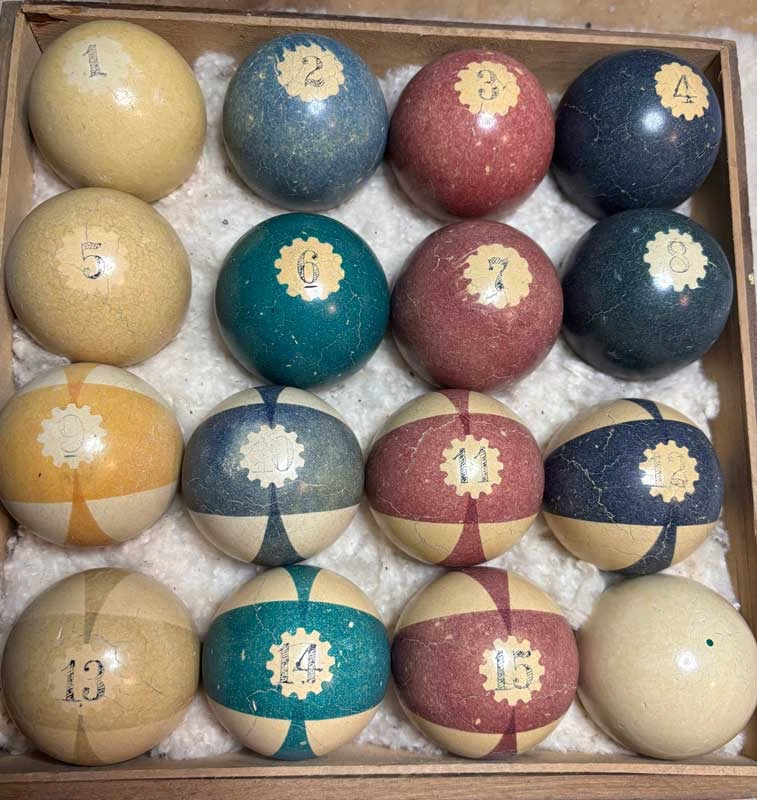
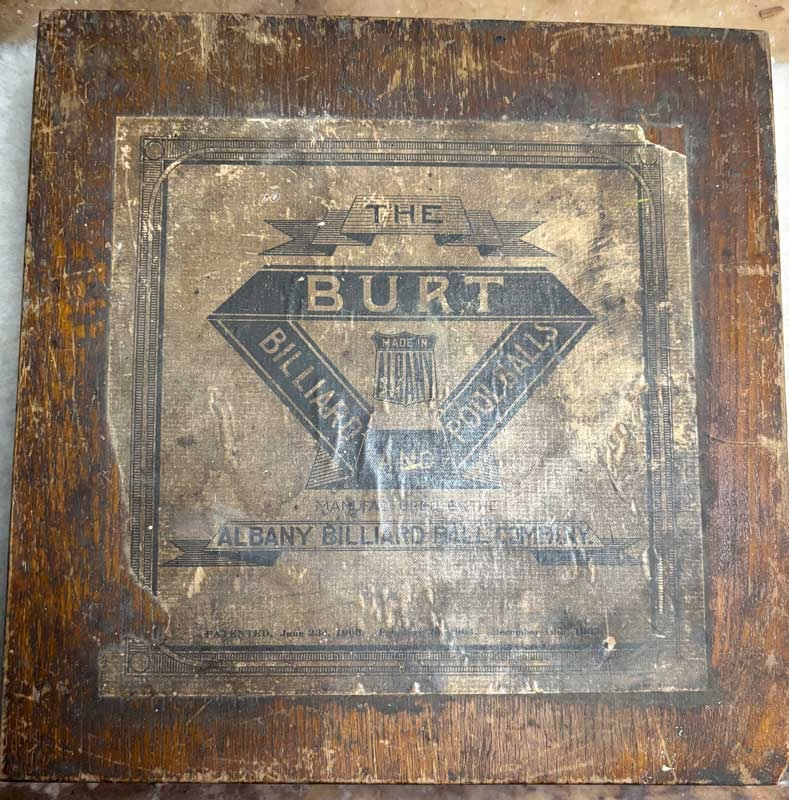
(Item 70) The Burt Double Stripe represents a peak of 1880s "composition" technology—offering the luxury look of ivory at a more accessible price point for the period's growing middle-class billiard parlors. The "Burt" Innovation The Burt company was a major pioneer in early plastic-adjacent materials. While these are called "clay," they are actually a sophisticated composite. "Beach Ball" Double Stripe: This confirms that the double-stripe aesthetic wasn't just for ivory; it was the "must-have" fashion of 1880s billiards across all materials. Double Scrimshawed Numbers: Most balls were only numbered on one side. Having numbers on both sides was a premium feature, allowing players to identify the ball from any angle without walking around the table. The Gear Pattern: This is a rare and highly decorative detail. The "gear" or "cog" engraving surrounding the number adds a mechanical, industrial-age flair that is distinctively Victorian. It served a dual purpose: it was beautiful and it helped the dye "bite" into the surface to prevent fading. Item Profile: Feature Detail Significance Maker Burt A legendary name in early billiard ball composition. Pattern Double Stripe + Gear A "high-trim" decorative set for the 1880s. Markings Double-sided Scrimshaw Increased playability and "fancy" status. Status Sold to MW A specialized addition for "MW's" collection. Collector's Note: The "Faux Ivory" Aesthetic In the 1880s, the goal of a Burt set was to mimic ivory as closely as possible. The surface-dyed colors were applied to look like the stains used on Zanzibar sets. For a modern collector, the "Burt" set is often rarer than ivory because the composite materials were more prone to breaking over 140 years—finding a complete 15-ball set in this decorative style is a major win for MW. Please email for price.
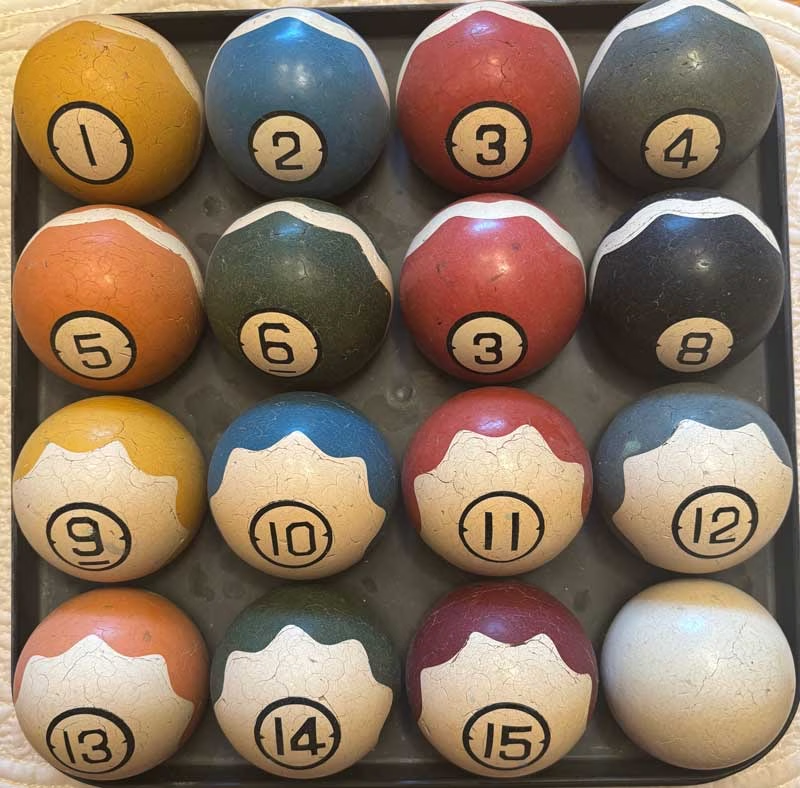


(Item 67) Clay Wave-O-Lene Pool Balls, Wave-O-Lene balls represent the industry’s first high-stakes attempt to find a sustainable, durable alternative to ivory. "Wave-O-Lene" was a trade name for a specific composite/clay mixture. These were marketed to resist the "cracking" and "yellowing" inherent to ivory, making them a favorite for high-traffic, upscale pool rooms at the turn of the century. The Anatomy: The $2\ 1/4"$ size is the standard American pool size, making these compatible with almost any antique table. However, the "Clay" composition gives them a unique profile: The Aesthetic: Wave-O-Lene balls often feature a subtle, swirled or "wavy" texture in the coloring (hence the name), which gave them a distinct visual "vibration" as they rolled across the slate. Wave-O-Lene pool balls were manufactured by the Brunswick-Balke-Collender Company. These balls were produced primarily from the late 1890s through the early 1910s. Key Details about Wave-O-Lene Balls: Composition: They were a type of "clay" or "composition" ball. At the time, manufacturers were searching for a durable, affordable alternative to ivory, which was expensive and prone to cracking. Wave-O-Lene was a specific trade name for a composite mixture designed to mimic the weight and play of ivory without the high cost. Target Market: They were often marketed for use in high-traffic, upscale pool rooms because they were more resilient to the "yellowing" and surface cracking that plagued organic ivory balls. Historical Context: During this era, Brunswick was the dominant force in the industry. Wave-O-Lene balls were part of a transitional period in billiard history, sitting between the era of pure ivory and the eventual move to modern plastics like Bakelite and phenolic resin. "Wanted" a number (7) ball to complete this set. We have an extra (3) ball to trade?

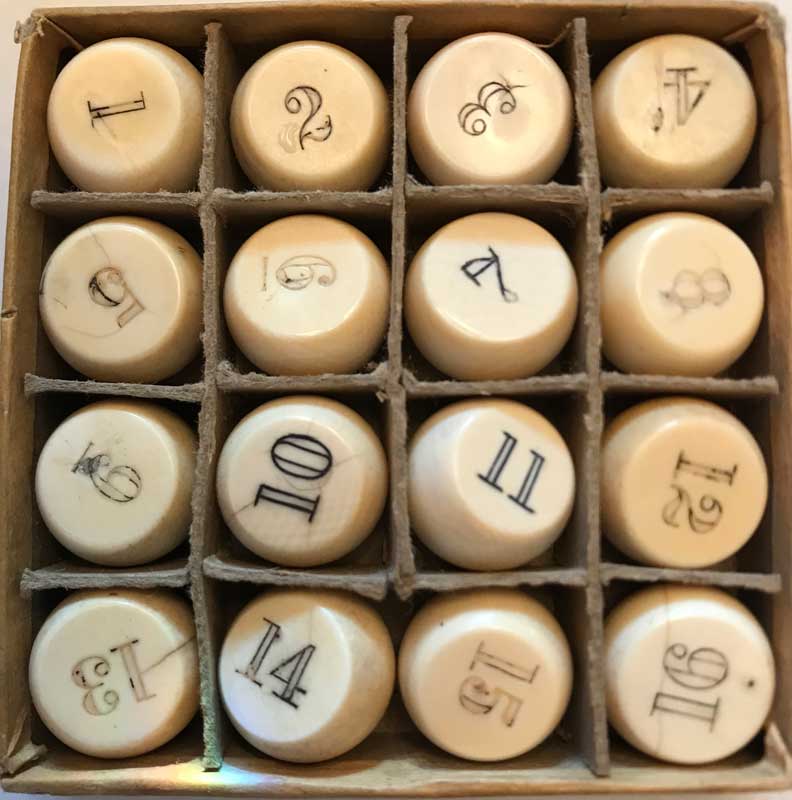

(Item 64) This ivory set is the authentic 19th-century luxury that every other material was trying to imitate. Finding a complete set of Brunswick-Balke-Collender (BBC) Ivory Tally Balls—especially with the original box—is an elite-level acquisition. Historical & Material Significance The Material: In the 1880s, ivory was the gold standard for density and "elasticity" (the way energy transfers between balls). Because ivory is a natural organic material (tusks), it has a grain similar to wood. This grain is often visible under a magnifying glass and is a primary "tell" for authenticity. The BBC Branding: The 1880s was the "Golden Age" for Brunswick-Balke-Collender. At this time, they were the undisputed kings of billiards, and their ivory sets were sourced from the highest-grade African ivory available. Hand Scrimshawed Numbers: Unlike modern printed or inlaid numbers, these were hand-etched (scrimshawed) into the ivory and then filled with pigment (usually black or red). The artisanal variance in the numbering is a hallmark of 19th-century craftsmanship. Why "The Original Box" is the Game Changer In the world of 19th-century billiards, the box is often rarer than the balls themselves. Provenance: The label on the box usually features the beautiful Victorian lithography of the BBC logo, confirming the date and origin. Preservation: Ivory is extremely sensitive to fluctuations in temperature and humidity. A set that has lived in its original box is far more likely to have avoided "checking" (large cracks) or severe yellowing. Investment Value: A loose set of ivory tally balls is valuable; a set in the original branded BBC box is a museum-grade centerpiece that commands a significant premium at specialty auctions. Preservation Checklist for Ivory Risk Factor Prevention Humidity Ivory "breathes." Keep them in a stable environment (45-55% humidity). Too dry, and they crack; too damp, and they swell. Light UV rays will [...]

(Item 63) For the connoisseur of 19th-century billiards, this circa 1880s ivory "Burt" double stripe set represents one of the most significant finds in the collectors' market. Known for their elaborate "beach ball" pattern, these fancy surface-dyed balls feature extraordinary hand-crafted detail that elevates them from game equipment to high-art sculpture. This set is a premier example of the luxury accessories found in the exclusive billiard parlors of the Gilded Age. Item Details: Manufacturer/Style: Burt Style Double Stripe Material: Genuine Antique Ivory Pattern: Surface-Dyed "Beach Ball" Multi-Color Design Detailing: Hand-Scrimshawed Numbers with Flower Petal Scallop Borders Size: 2 1/8" Regulation Diameter Era: Circa 1880s (Victorian Era) Condition: Excellent (Vibrant, rich colors with minimal age-toning) The artistry of this set is found in the hand-scrimshawed numerals, each meticulously surrounded by delicate flower petal scallops—a hallmark of high-end 19th-century craftsmanship. Unlike standard solid or simple striped balls, the "Burt" pattern required immense skill to dye and engrave, making them a rare luxury even in their own time. Today, a complete 15-ball set in this condition is a blue-chip investment for any serious museum or private estate collection. Pricing & Inquiries: Authentic ivory sets of this caliber are increasingly difficult to source. Please contact us for pricing.l
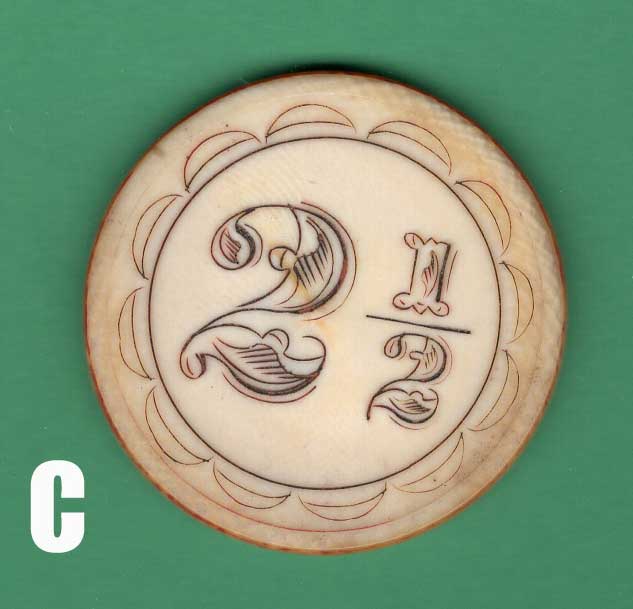
(Item 62) This Antique Ivory Poker Chip is a fascinating crossover piece between the world of 19th-century high-stakes gambling and fine scrimshaw art. The $2 \frac{1}{2}$ denomination is particularly rare and intriguing. In the 1880s, poker chips were often denominated to match specific gold coins. A $\$2.50$ chip would correspond directly to the Quarter Eagle gold coin, which was in circulation at the time. This suggests the chip was part of a "hard currency" game where the chips represented the exact weight and value of the gold on the table. Historical & Material Details Material Value: Like your other ivory items, this chip features the characteristic "Schreger lines" (cross-hatch grain) of authentic ivory. At 1 9/16", it is a substantial size, providing the "clack" and weight that gamblers of the Gilded Age associated with high-status gaming. Hand Scrimshawing: The fact that it is scrimshawed on both sides elevates it from a mere gaming counter to a piece of folk art. In the 1880s, these were hand-etched with a needle and rubbed with ink or soot—a labor-intensive process that predates the clay-pressed chips of the 20th century. The Denomination ($2 \frac{1}{2}$): While $\$5, \$10,$ and $\$25$ chips were common, "fractional" denominations like this are highly sought after by collectors of Western Americana and gambling memorabilia because they were produced in much smaller quantities. Trading & Collector Perspective Looking to trade for a crisp $100 or $50 poker chip of same. The Hierarchy: High-denomination ivory chips ($50+) are the "whales" of the hobby. They were often kept in the cashier's cage of elite clubs rather than circulated heavily, meaning they sometimes survive in even crisper condition. Preservation Tip Because ivory chips were handled constantly, they can absorb oils and dirt into the etched grooves. Note: Resist the urge to "scrub" the chip. [...]

(Item 61/233) Brunswick-Balke-Collender (BBC) Ivory Tally Ball Set (c. 1880s), Why the "Boxed Set" is the Ultimate Investment In the antique billiard world, "boxed" ivory sets are the gold standard for appreciation. Here is why this is a particularly strong investment: The Original Housing: Most ivory tally balls were separated from their boxes over 140 years. The box doesn't just provide provenance via the BBC label; it serves as a micro-climate. Ivory that has lived in a wooden box is often shielded from the rapid temperature changes that cause "checking" (deep cracks) in exposed ivory. The Complete "Shake": These sets were used for games like "Kelly Pool" or "Pea Pool." If the set is complete (usually 16 balls), it retains its utility for collectors who want to play period-correct games. A "short" set (missing balls) loses significant value, making a complete boxed set a rare survivor. Historical Market Trend: High-quality BBC ivory items have historically outpaced inflation. As authentic ivory becomes increasingly rare to find in "original" condition with documented 19th-century origins, these sets become "tangible assets" for collectors. Preservation for Investment "Excellent Investment," maintaining their current state is top priority: Investment Risk Mitigation Yellowing Keep the box closed. Constant exposure to light (even indoor light) will deepen the "patina" to a dark amber, which some collectors like, but "creamy" ivory is generally more valuable. Natural Oils Handle them as little as possible. If you must, use white cotton gloves. The salts and acids in human skin can slowly etch the surface over decades. The Label The BBC paper label on the box is as valuable as the balls. Ensure it isn't "flaking." If it is, a professional archival adhesive can be used to stabilize it. The BBC Pedigree In the 1880s, BBC was the "Tiffany & Co." of the [...]

(Item 60/232) This 3/4" BBC Ivory Tally Ball Set represents the smallest, most intricate end of the 19th-century ivory spectrum. Unlike the larger billiard balls, these were designed for "Shake" or "Kelly" pool, where the "clack" of the ivory in a leather tally shaker was a signature sound of the Victorian game room. Finding a #1 through #16 set in "Museum Quality" is truly exceptional, as these small spheres were easily lost or misplaced over the last 140 years. The Craftsmanship of "Small-Scale" Ivory Precision Scrimshaw: At only 3/4", the surface area for numbering is tiny. The fact that these are hand-scrimshawed—likely with a fine-point needle and black pigment—is a testament to the steady hands of BBC's 1880s artisans. The "Full 16": Most tally sets only went to #15. A 16-ball set is a rarity that allows for a wider variety of specialized "rotation" or "life pool" games popular in high-end clubs. Investment Grade: Because these were high-contact items (shaken together in a cup), they often suffered from "pitting" or deep staining. A "Museum Quality" set suggests the ivory remains smooth, the numbers are crisp, and the Schreger lines (the natural "cross-hatch" grain) are clearly visible. Preservation of Small-Scale Ivory Feature Maintenance for Investment Surface Uniformity Small ivory spheres are prone to "flat spotting" if stored under heavy weight. Keep them loose or in their original dividers. Pigment Loss The scrimshawed numbers are shallow. Avoid using any liquids to clean them, as moisture can lift the 19th-century pigment out of the etchings. The "Patina" At this size, ivory can range from "creamy white" to "butterscotch." A consistent color across all 16 balls is a major value-adder. Why "Seldom Found" Most tally balls were used until the numbers wore off or were replaced by cheaper celluloid versions in the 1920s. A [...]
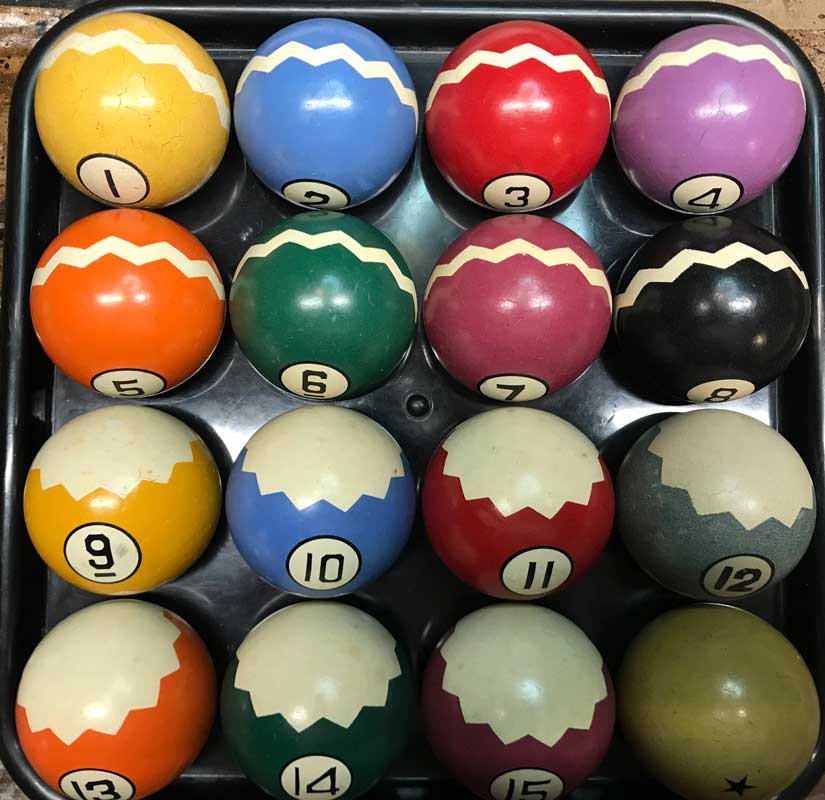
(Item 59) This Antique Clay Zig Zag Pool Ball Set is a wonderful example of the "economy of scale" in the late 19th and early 20th centuries. While ivory was the choice of the elite, clay was the choice of the people. However, finding a complete Zig Zag patterned set with a Star Cue Ball today is significantly more difficult than finding standard clay solids. The "Zig Zag" Aesthetic The Zig Zag (or "Sawtooth") pattern was a specific design choice used to distinguish striped balls from solid balls before the standardization of the broad, flat stripes we see today. The Pattern: The zig-zag line was often created by a mechanical rolling stamp or a mold that gave the "stripe" a jagged, decorative edge. It reflects the Victorian obsession with making even functional items look ornamental. The Star Cue Ball: The "Star" cue ball (often called a Liberty Star or Hyatt Star) is the hallmark of the Albany Billiard Ball Company. This star was more than just a decoration; it was a tracking aid. As the ball rolled, the star allowed the player to see the "english" (spin) more clearly. Material: The Clay Composition In the 1880s–1910s, "clay" balls were actually a mixture of ground stone, clay, and binders like silicate or shellac. The Crazing: You mentioned "light crazing." This is actually a desirable trait for collectors. Crazing—the network of tiny surface cracks—proves the balls are authentic antique clay/composition and not modern resin reproductions. It’s the "fingerprint" of a 100-year-old ball. Density: Clay balls are heavier and less "elastic" than modern phenolic resin. They have a distinct, muffled "thud" rather than a sharp "click" when they collide. Preservation of Clay Sets Clay is porous and sensitive to moisture and oils. To keep them in "hard to find" condition: Risk Mitigation Moisture Never [...]

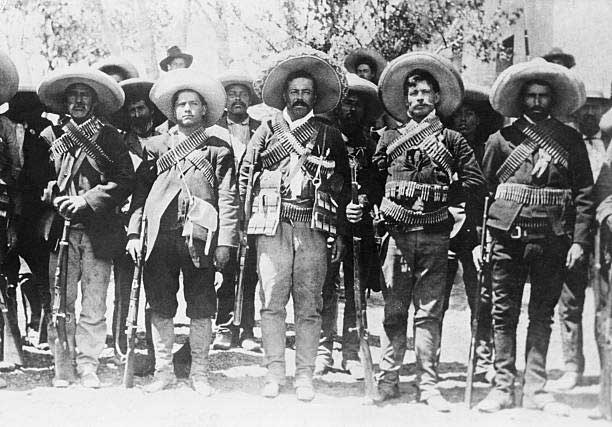


(Item 55) That is a classic "Old West" provenance! The connection to Pancho Villa adds a layer of legendary. The horse lady in her 80s we purchased these from, said she was told by her father who was a banker back in the day and left her these chips, that they may have come accross the Mexican boarder by Pancho Villa. The lifehood of border-town saloons in the late 19th century, and ivory chips were the ultimate status symbol for "banker" games. The Anatomy of (The Chips) Hand Scrimshawing: Unlike later machine-stamped chips, hand-scrimshawed ivory from the 1880s involves fine incisions filled with ink (usually black or red). The fact that these are double-sided significantly increases their value. The $5 Denomination: In 1880, $5 was equivalent to roughly $150–$175 today. These weren't for a casual Saturday night game; these were for professional gamblers and wealthy landowners. Size (1 1/2"): This is above standard "Large" size for 19th-century ivory chips, providing a substantial weight and "clink" that early clay or composition chips couldn't replicate. Collectors’ Feature What to Look For The Scrimshaw Look for "Baleen" or "Lampblack" ink in the grooves. If the lines are perfectly uniform, they might be machine-pressed. Hand-etched lines show slight variations under a loupe. Wear Patterns Even "excellent" chips should show some "stacking wear"—slight smoothing on the faces where they rubbed against other chips for decades. The Material They should show Schreger lines. If you see tiny air bubbles or a perfectly uniform interior, they may be Celluloid or French Ivory (an early plastic). Investment Potential Ivory gambling memorabilia is a "blue chip" (pun intended) niche. Single high-quality scrimshawed chips often sell for $150 to $300 each, especially when they have "Old West Saloon" or specific denomination markings. Historical Note: The Mexico Connection It’s very plausible [...]
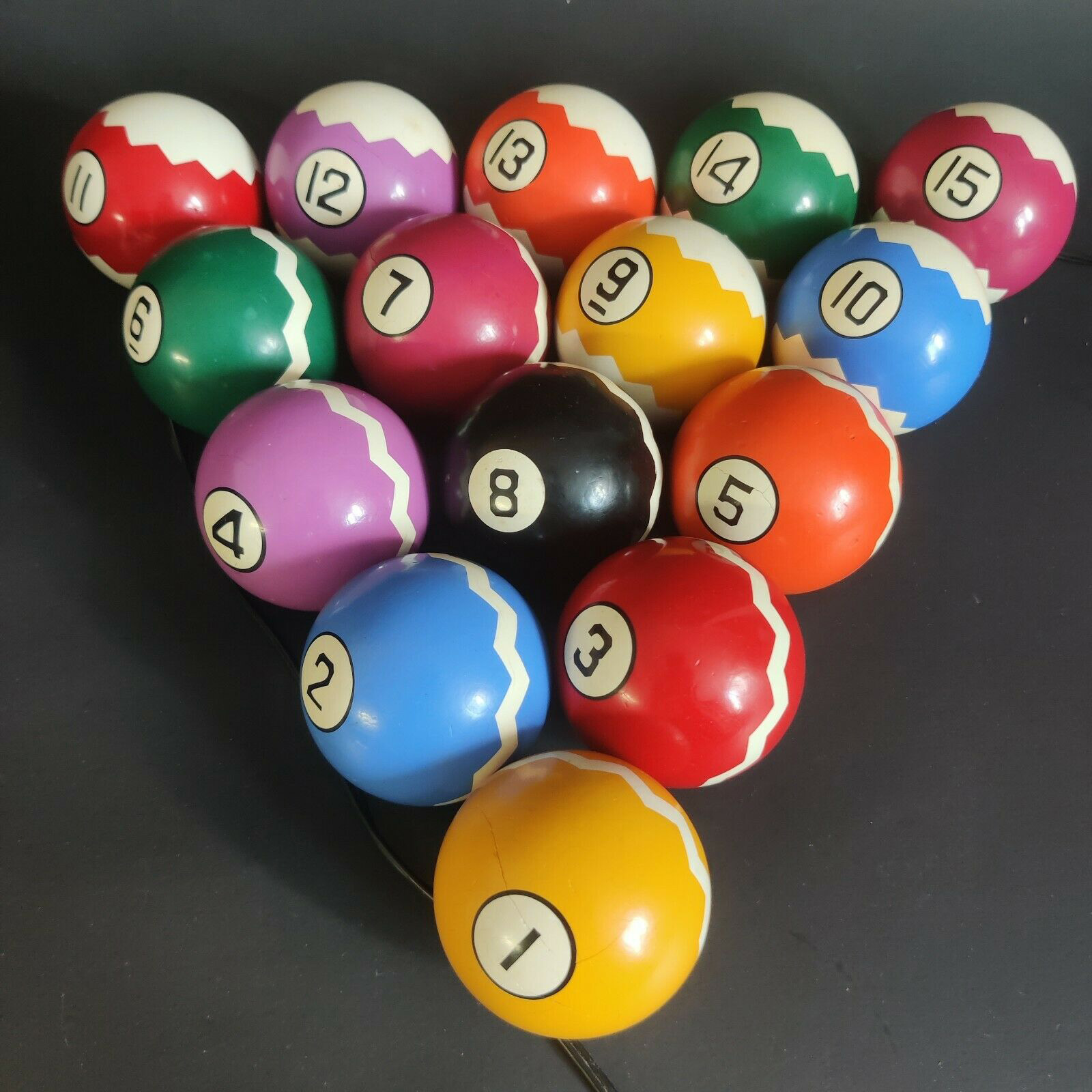

(Item 51) Zig Zag clay balls are the transition point between the era of ivory and the modern era of phenolic resins. Why "Zig Zags" are Iconic The "Zig Zag" pattern wasn't just for aesthetics; it was a functional design. In the late 19th century, as manufacturers moved away from expensive ivory, they experimented with high-compression clay and silicate composites. The Pattern: The zig-zag or "lightning bolt" inlay was a way to integrate the number into the ball during the molding process, ensuring the number wouldn't just rub off with use. The "Star" Cue Ball: These are highly sought after. The star was often the trademark for specific manufacturers (like Hyatt or Albany Billiard Ball Co.) and acted as a focal point for players to see the "spin" or "English" they put on the ball. Condition Report: "Match Head Dings" and "Crazing" For clay balls from this era (c. 1890s–1910s), the condition is actually excellent: Light Crazing: This refers to the tiny, hair-like surface cracks. It’s a natural "aging" process of the composite material and is considered a sign of authenticity. As long as the crazing isn't deep enough to catch a fingernail, it doesn't hurt the value. Match Head Dings: These small nicks are common in clay sets. Unlike modern resin, clay can chip if two balls collide at high velocity. "Match head" size is considered minor and "honest wear." Investment Advice Clay balls are significantly more "fragile" than ivory or modern plastic. To keep these in "Investment Grade" condition: Do Not Play With Them: Modern high-speed tables and hard-hitting cues will shatter 100-year-old clay balls. They are strictly display pieces now. Climate Control: Clay is sensitive to extreme dry heat, which can turn "light crazing" into "deep cracking." A Quick History Fact Did you know that John [...]


(Item 50) Why the "Four-Ball Set" is Historically Significant The Game: Before "Three-Cushion" or "Pocket Billiards" (Pool) became the standards, the American Four-Ball Game was the most popular game in the mid-to-late 19th century. It utilized two white balls and two red balls (usually a light red/pink and a deep dark red). The Size (1 7/8"): This smaller diameter is characteristic of the mid-Victorian era. As tables and cushions evolved to be faster and more "active" toward the 1880s, ball sizes generally increased to the 2 1/8" and 2 3/8" standards we see in later sets. The Box: Finding the original box for a four-ball set is significantly harder than finding a standard 3-ball or 16-ball box. These were often custom-slotted to prevent the ivory from knocking together and chipping during transport. Condition & Investment Value Since these are from the 1870s/1880s, they sit right in the sweet spot for collectors of "Early Americana" billiard gear. Feature Investment Impact Material Authentic Ivory (Look for the Schreger lines/cross-hatching). High-quality ivory from this era has a "warmth" that synthetic materials can't mimic. Complete Set High. It is very common for one of the four balls to have been lost or replaced with a slightly different sized ball over the last 150 years. A matched set is key. Originality Very High. The original box acts as the "pedigree." If the label inside the lid mentions a manufacturer like Phelan & Collender or Brunswick & Balke, the value spikes. Collector's Note: The Color Palette In a four-ball ivory set, you typically look for: The Plain White The Spot White (A small black dot or "spot" carved/inked to distinguish it) The Light Red (often faded to a soft pinkish-orange) The Dark Red (often a deep "Oxblood" or "Cherry" color) Preservation Warning: Ivory of this age is highly susceptible [...]

(Item 49) #13 French Game balls in original box c1880s. Size: 1.9". Items from the late 19th century—particularly those with their original packaging—carry a lot of historical weight and tactile charm. The "De Minimis" Exception: In the US, to sell an ivory item across state lines, it generally must be at least 100 years old (which this is). The Original Box: This is a huge plus. Collectors pay a premium for "complete" sets where the box has protected the ivory from yellowing or "checking" (cracks). Artistry: Plain billiard or game balls are less valuable than those with intricate French carving or scrimshaw. Please email us for more information and pricing.

(Item 48) c1880s is a significantly more rare and "high-tier" collector's item than a standard ivory ball set. The Brunswick "Zanzibar" series represents the absolute pinnacle of 19th-century billiard luxury. 1. The "Zanzibar" Distinction In the 1880s, the Brunswick-Balke-Collender Co. marketed the Zanzibar line as their premium ivory offering. Aesthetic: Unlike plain ivory balls, Zanzibars are famous for their "Beach Ball" or "Double Stripe" patterns. The Scrimshaw: The hand-scrimshawed numbers are a major value-add. Each number was hand-engraved into the ivory and then filled with pigment (often black or dark blue), making each ball a unique piece of folk art. Surface Dyeing: The "nicely faded colors" you noted are actually a sign of authenticity. 19th-century organic dyes mellow over time into soft pastels (pinks, pale blues, and yellows), which collectors find far more desirable than the harsh, bright colors of modern resins. 2. Investment Potential vs. Reality While these are "investment grade," the term comes with a few caveats: Scarcity: A full, numbered 15-ball set of 2 1/4" Zanzibars is incredibly rare. Many sets were broken up or lost to "exploding" (a nickname for when old ivory or early celluloid balls shattered upon high-impact contact). The "Ceiling": High-end sets like this can fetch $10,000 to $15,000+ at specialized auctions. However, your buyer pool is limited to serious billiards historians and high-net-worth antique collectors. Condition is King: For these to hold "investment" value, they must be free of deep "checking" (spiderweb cracks) and must be "in round." If they have warped into ovals over the last 140 years, their value is purely decorative. 3. Critical Verification: Ivory vs. "Composition" In the 1880s, Brunswick was also experimenting with "Composition" balls (early plastics like Hyatt’s celluloid) to save money. Weight: At 2 1/4", a genuine ivory ball should feel significantly heavier and "clack" [...]

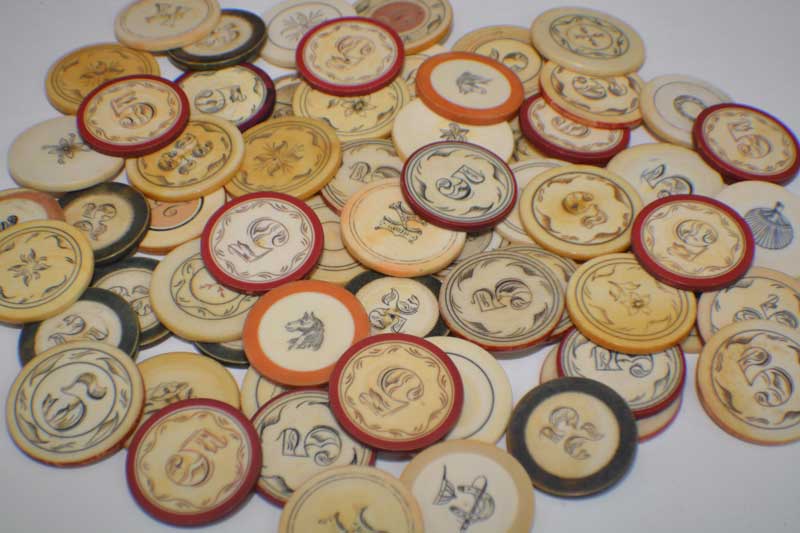
(Item 47) You’re looking at some fascinating pieces of frontier history! These specific items from the late 19th century are highly sought after by collectors of "Old West" or gambling memorabilia because of the craftsmanship involved. Here is a breakdown of what makes items like these historically significant and what to look for when evaluating them: Historical Context & Craftsmanship In the 1880s, high-end saloons often used premium materials for their gaming kits to distinguish themselves from "sawdust joints." Scrimshaw Detail: Since these were hand-etched, the value is heavily tied to the subject matter. Scenes involving "faro" banks, specific saloon names, or intricate floral patterns are generally more desirable than simple numerical denominations. Coloration: Collectors look for a "mellow" patina—that soft, buttery yellowing that occurs naturally over a century. If the color is too white, it may have been bleached; if it's too dark or blotchy, it might indicate poor storage conditions. Evaluation Factors If you are looking at Item 210 or Item 47 as potential additions to a collection, consider these three "S" factors: Factor What to Look For Size Larger chips (closer to that 1 7/8") were often used for higher denominations and are rarer than the standard 1 1/2" sizes. Surface Check for "cross-hatching" or Schreger lines on the edges. This confirms the material is genuine and differentiates it from celluloid or "French Ivory" (an early plastic). Symmetry Hand-carved items will have slight variations. Perfectly identical etchings on twenty different chips might suggest modern machine-work rather than 1880s hand-scrimshaw. Please email us for prices and quanity.


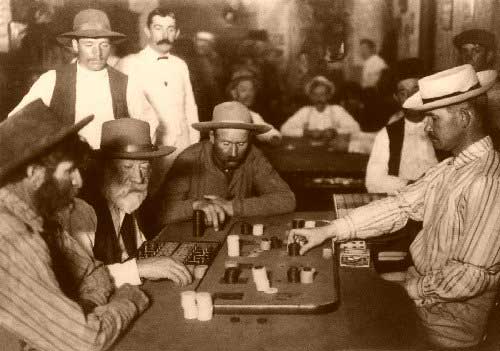

(Item 46) Pool Ball Section or (Item 200) - Mics Accessories Section. This is a remarkable set. To find a complete "Saloon" set from the 1880s with consistent monogramming (the "K") and original scrimshawed denominations is quite rare. Most sets from that era have been broken up or lost to time. Size: 1 9/16". Old West gambling memorabilia is a high-demand niche. Investors typically look for: The "K" Monogram: If this can be linked to a specific historical figure or a known establishment (like a famous Deadwood or Tombstone saloon), the value skyrockets. Condition: Ivory is prone to "checking" (small cracks along the grain). Chips in "Excellent" condition without yellowing or warping are the gold standard. The Scrimshaw: Hand-etched chips are significantly more valuable than plain or clay-inlay chips of the same era. Please email for more information and Price.


(Item 45) Antique French Ivory Game Ball Set (c. 1880s) This exceptional antique French game ball set was produced by the prestigious Loreau Manufacture in Paris during the late 19th century. Loreau was renowned for high-quality sporting goods and precision-crafted game components, serving as a primary supplier for the European billiard and gaming markets. Dating to the 1880s, this set remains in its original presentation box, which is a significant rarity for sets of this age. Each ball measures 1.9", a specific size often utilized for traditional French games or smaller-scale billiard variants popular in Continental Europe during the Victorian era. Manufacturer: Loreau Manufacture, Paris Era: c. 1880s Material: Authentic Ivory Ball Diameter: 1.9" Includes: Original manufacturer's box Origin: France Please email for price.

(Item 44) Antique Miscellaneous Ivory Billiard Balls (c. 1880s) This collection of antique ivory billiard balls dates to the 1880s, representing the primary material used for high-stakes play during the 19th-century "Golden Age" of the game. These vintage pieces were prized for their unique density and natural grain, which provided a level of control and playability that synthetic alternatives of the era could not replicate. The set includes a variety of sizes, ranging from 2" to 2 3/8", making it an excellent resource for restorers needing to match specific historical table requirements or for collectors of Victorian-era gaming artifacts. Given their age and material, these pieces serve as an excellent investment for those documenting the evolution of billiard equipment. Material: Authentic Ivory Era: c. 1880s Size Range: 2" to 2 3/8" Condition: Antique patina with visible natural grain Category: Miscellaneous/Assorted set Please email for price.


(Item 43) Rex Williams Personal Ivory Snooker Ball Set (Antique) This is a world-class collectible with impeccable provenance: a complete antique ivory snooker ball set formerly owned by the legendary British Snooker Champion, Rex Williams. Williams, a dominant force in the mid-20th century and a key figure in the post-war snooker revival, kept this set in excellent condition, making it a centerpiece for any serious billiard historian or collector. The set is presented in its original wooden case, featuring a specialized slide-out rack for elegant display and functional storage. At a standard 52 mm size, these balls represent the transition between the traditional ivory era and the modern game, maintained by a master of the craft. Provenance & Specifications Feature Details Provenance Personally owned by Rex Williams (UK Snooker Champion) Material Authentic Antique Ivory Size Standard 52 mm Storage Original wooden case with integrated slide-out rack Condition Excellent; well-preserved ivory grain and color About Rex Williams A seven-time World Billiards Champion and a top-ranked snooker professional, Rex Williams was instrumental in the formation of the WPBSA. Owning a set from his personal collection links the owner directly to the heritage of British cue sports. Please email for price.


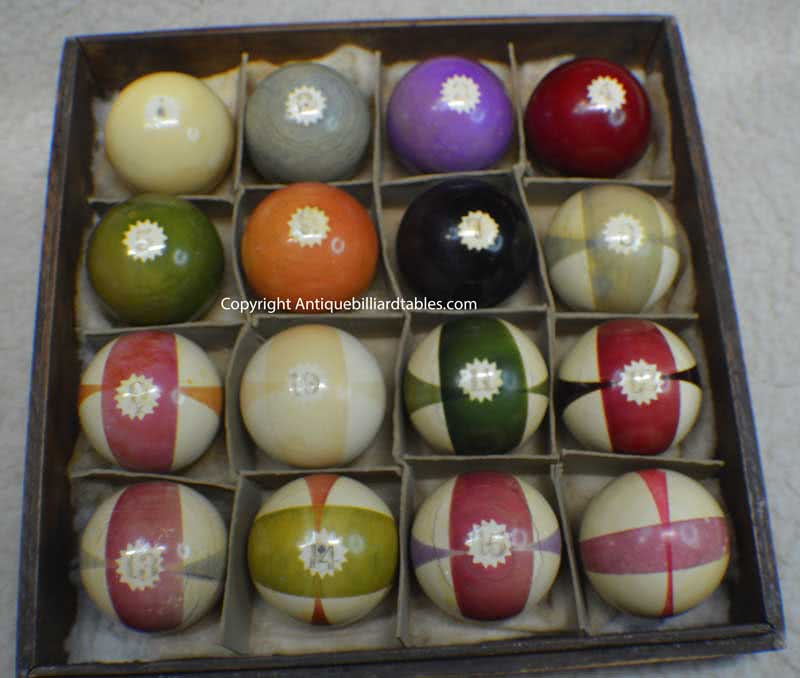
(Item 42) This exceptional c.1880s Antique Brunswick Ivory Double Stripe Pool Ball Set represents a rare intersection of sporting history and American political heritage. Housed in its original wooden box, the set is crafted to the standard 2 1/8" tournament size. Each ball features a distinctive star pattern surround with finely scrimshawed numbers and vibrant surface-dyed colors, showcasing the meticulous craftsmanship of the late 19th century. Provenance and Historical Significance: This set carries a remarkable pedigree, having been sourced from a private party who preserved them as family heirlooms. They originated from "The Republican Club" located at 2725 Pine St. in St. Louis, Missouri. According to the documented history of the club, these balls were used by a roster of prestigious historical figures, including: Theodore Roosevelt, President of the United States William McKinley, President of the United States Jeptha D. Howe, Chairman of the Republican Committee in St. Louis Warren Fairbanks, Vice President Judge Jay Cor Walsh * Judge Lyonberger WANTED: I am actively seeking to purchase antique ivory numbered pool ball sets and individual singles to add to the collection.

(Item 41) Antique Clay Poker Pool Ball Set This is a remarkably preserved 2 1/4" antique clay poker pool ball set. Primarily used in various "poker pool" games that gained popularity in the late 19th and early 20th centuries, these sets represent a significant era in billiards history before the widespread adoption of synthetic resins. Specifications & Features Material: Authentic compressed clay. Size: Standard 2 1/4" diameter. Components: Full set of poker pool balls featuring card-face suit and value markings. Condition Report The set is in Near Mint condition. The surfaces of the balls remain smooth with vibrant, crisp markings, showing virtually no signs of the typical pitting or chipping often found in clay sets of this age. Please email for price.

(Item 39) Antique Clay Burt "Double Stripe" Pool Ball Set (c.1880s) This is a premier example of 19th-century billiard history: a set of antique clay Burt double stripe pool balls. These 2 1/4" regulation-size spheres represent the peak of late Victorian craftsmanship before the widespread adoption of synthetic materials. Artistry & Composition These balls are distinguished by their intricate decorative elements and traditional manufacturing techniques: Design: Features the iconic double stripe pattern. Detailing: Each ball is adorned with a unique star pattern surround encircling the numerals. Craftsmanship: The numbers are hand-scrimshawed, a meticulous engraving process that showcases the individual artistry of the period. Coloration: Utilizing surface dyed colors, these balls retain the deep, classic hues typical of high-quality 1880s sets. Historical Value Produced during the late 1800s, clay Burt balls are highly prized by historians and collectors for their weight, texture, and visual appeal. Finding examples with the star pattern and hand-engraved numbering in collectible condition is increasingly rare. WANTED TO PURCHASE We are actively seeking to acquire additional antique pool balls of this specific type and era. If you have similar Burt double stripe or clay billiard balls from the 19th century, please reach out. We are prepared to pay top dollar for: Unique patterns (stars, gears, or complex geometries) Hand-scrimshawed sets Individual replacement balls or complete sets

(Item 38) Antique Brunswick-Balke-Collender Ivory Billiard Ball Set (c.1880s) This is a museum-quality ivory billiard ball set from the legendary Brunswick-Balke-Collender Co., dating back to the late 19th century. Finding a complete set from this era in its original box is an exceptional rarity, as these components were frequently separated or lost over the last 140 years. Product Specifications Manufacturer: Brunswick-Balke-Collender Co. Material: Genuine organic ivory, showcasing the natural grain ("Schreger lines") characteristic of authentic period sets. Size: 2 3/8" (Regulation size for the era). Era: Circa 1880s, the "Golden Age" of ornate billiard room appointments. Condition: A nice clean set with well-preserved surfaces and minimal aging. Historical Significance In the 1880s, ivory was the gold standard for professional play due to its unique density and elasticity. This set was produced during the height of Brunswick's dominance in the industry, shortly after the 1884 merger. The inclusion of the original branded box significantly enhances the provenance and investment value of the set. Features & Collectibility Original Packaging: The box features the iconic Brunswick-Balke-Collender branding, a hallmark of Victorian-era industrial graphic design. Uniformity: A matched set of this caliber ensures consistent play and aesthetic symmetry, which is highly prized by collectors of high-end game room ephemera. Note to Collectors: Antique ivory items are subject to specific regional and international trade regulations. Please ensure compliance with local laws regarding the transfer of antique ivory.


(Item 37) Antique ivory snooker ball set with original label box c 1880's. Very rare ivory snooker ball set, complete full set of #24 in excellent used condition. Size: 44 mm. Remarkable find. A full 24-ball set of ivory snooker balls from the 1880s is an absolute rarity in the world of billiards memorabilia. Most sets from that era have been split up, lost, or damaged due to the organic nature of the material. The Historical Significance The Transition Period: In the 1880s, snooker was a relatively new game, having been "invented" by Sir Neville Chamberlain in 1875. A set from this decade represents the very dawn of the sport. The "Full 24" Set: Modern snooker uses 22 balls. An older set of 24 often implies the inclusion of extra "life" balls or specific variants used in "Life Pool" or "Black Pool," games that were often played alongside early snooker. Manufacturing: At 44 mm (roughly 1 ¾ inches), these are smaller than the modern standard 52.5 mm balls. This was common for Victorian-era tables which were often smaller "billiards" size. Condition & Preservation Ivory is a "living" material that reacts to the environment. To maintain that "excellent used condition," you'll want to watch for:\ Schreger Lines: Look for the cross-hatching patterns—this confirms they are genuine ivory and not early celluloid (Bonzoline). Cracking/Crazing: Avoid rapid temperature changes. If the ivory dries out too quickly, it will develop deep "checks" or cracks. Color: A natural mellowing to a creamy yellow is expected and usually preferred by collectors over bleached white. Value Factors Feature Impact on Value Original Label Box High. The provenance provided by an original maker’s label (like Burroughes & Watts or Thurston) can double the value. Completeness Critical. Finding a full set of 24 with matching grain and wear is incredibly difficult. [...]
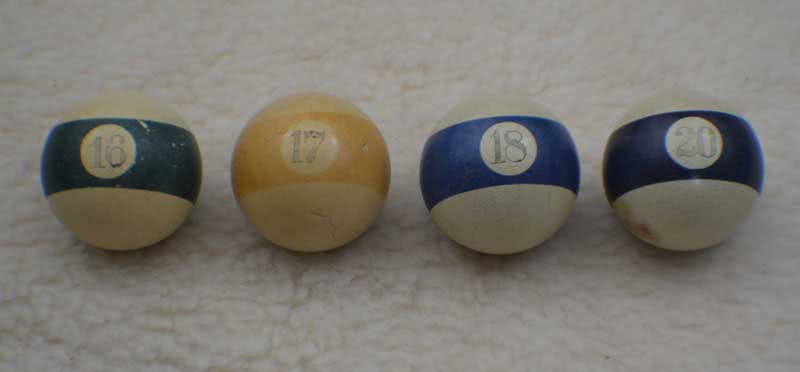
(Item 36) Rare Antique Scrimshaw Numbered Clay Billiard Ball Set Circa 1800s This is an exceptionally rare find for collectors of early billiard history and 19th-century gaming ephemera. These antique clay balls feature intricate scrimshaw-style numbered engravings, a decorative technique seldom seen on billiard equipment of this era. Specifications & Details Material: Authentic 19th-century clay composition. Size: Standard $2\ 1/4"$ diameter. Design: Distinctive "baseball" style numbering, executed with fine-line scrimshaw detailing. Period: Produced during the mid-to-late 1800s, representing the transitional era of billiard ball manufacturing. Collector’s Note: Due to the fragile nature of early clay sets, finding a numbered series in this condition is a significant discovery. This set is a high-priority acquisition for those documenting the evolution of the game. WANTED: If you have information regarding the location of this specific set or similar scrimshaw clay examples, please reach out.

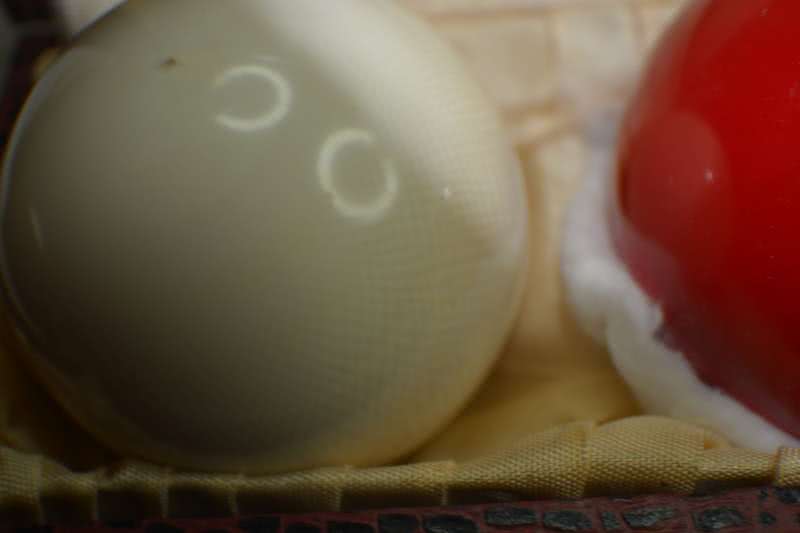
(Item 35) Antique Zanzibar High Grade Clear Ivory Billiard Ball Set (#2) This is an exceptional #2 set of Zanzibar High Grade billiard balls, dating to the 1880s. During the 19th century, ivory sourced from the Zanzibar region was considered the gold standard for the billiard industry due to its superior density, "clear" consistent coloring, and remarkable durability. At a substantial size of 2 3/8", these balls are perfectly suited for the large professional tables of the Victorian era. The "High Grade" designation refers to the selection of the ivory, which offers a uniform grain and a level of playability sought after by the most discerning players and collectors of the "Golden Age." Grade: Zanzibar High Grade Clear Ivory Era: c. 1880s Size: 2 3/8" Set Number: #2 Condition: Excellent antique preservation with characteristic clear luster Inquiry Information: Due to the rarity and high-grade nature of this specific set, we invite serious collectors to contact us directly. Please email for price.
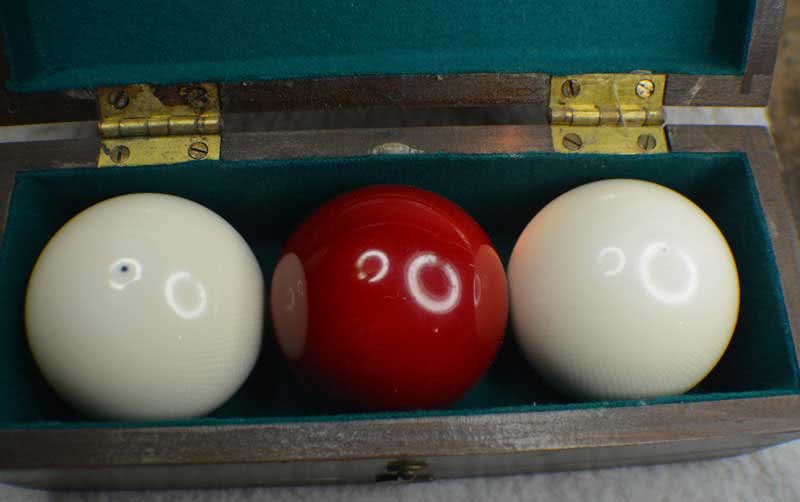

(Item 34) Antique Zanzibar Clear Grade Ivory Billiard Ball Set (#1) This is a premier #1 set of Zanzibar Clear Grade ivory billiard balls, representing the highest tier of material quality available in the 1880s. Zanzibar ivory was historically the most coveted variety in the billiard trade, prized for its "clear" quality—a reference to its remarkably consistent density and lack of visual imperfections. Measuring 2 3/8", these balls are the standard size for the professional-grade tables of the late 19th century. As the #1 set in this collection, these pieces exhibit a superior luster and a fine, tight grain, making them a cornerstone acquisition for a serious collector or a museum-quality restoration project. Grade: Zanzibar Clear Grade Ivory Set Number: #1 Era: c. 1880s Size: 2 3/8" Condition: Museum grade; exceptional color and weight consistency Inquiry Information: This set represents the pinnacle of 19th-century material luxury. Interested parties are encouraged to reach out for a detailed condition report. Please email for more information.
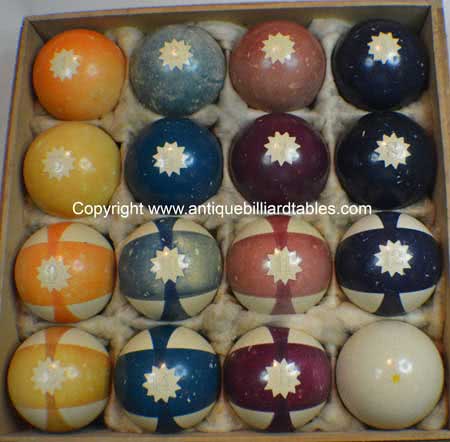
Antique Clay Burt double stripe pool ball set with star pattern, c1880s. Size: 2 1/4". Nice crisp set of double stripe pool balls with a star pattern surround. Surface dyed colors and hand scrimshaw numbers. For reference only. WANTED!
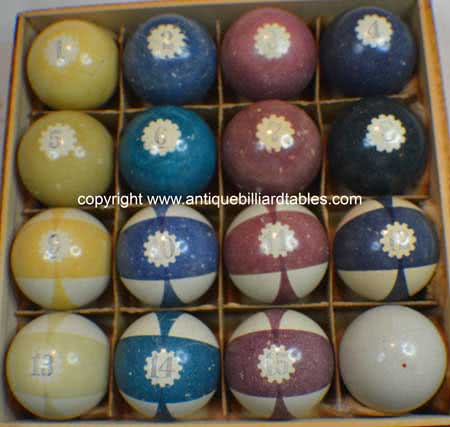
Antique Clay Burt double stripe pool ball set with a gear pattern surround, c1880s. Size: 2 1/4". Surface dyed colors and hand scrimshaw numbers. For reference only. WANTED!

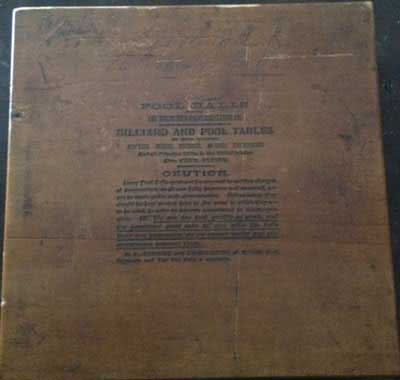
Antique Brunswick Balke Collender Co Zanzibar Ivory Pool Ball Set. Double stripe surface dyed colors with hand scrimshaw numbers In the original labeled box. c1880's. For reference only. WANTED!
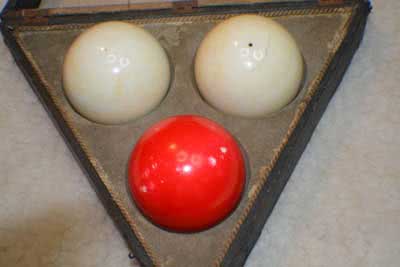
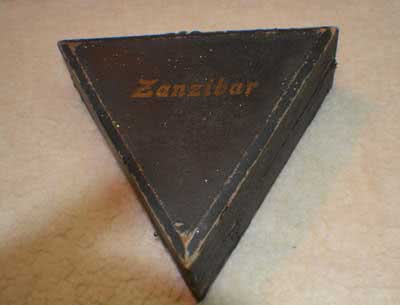
Antique Zanzibar Ivory Three Ball Set With Original Triangle Box. A rare ivory 3 ball set measuring 2 3/8". Please call for more information. For reference only. WANTED!
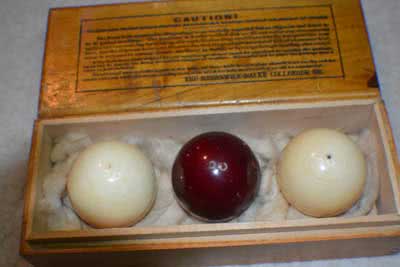
Antique Ivory Three Ball Set With Box. Size: 2". (Item 7)

Antique Zanzibar Ivory Three Ball Set With Box. Excellent Condition. Size: 2 3/8". Please call for more information. (Item 8)

Antique Mixed Ivory Numbered Pool Balls In Original Wooden Box - The Brunswick Balke Collender Company. Surface dyed colors with hand scrimshawed numbers, c1880's. WANTED To Buy! single ivory numbered pool balls. (Item 9)


Antique Brunswick Balke Collender Co Ivory Numbered Pool Ball Set. Size: 2 1/4". For reference only. WANTED!
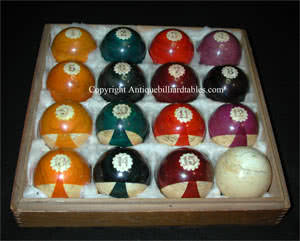
Antique Ivory Burt Double Stripe Pool Ball Set, c1880s. This ivory 15 ball set has the numbers hand engraved on both sides of the balls inside a flower pedal design. The fancy Burt beach ball double stripe is one of the rarest styles made. Size: 2 1/8". For reference only. WANTED!

Antique Brunswick Balke Collender Co Clay Wave O Lene Pool Ball Set, c1890s/1910. Size: 2 1/4". WANTED TO PURCHASE!!

Antique Red Ivory Pool Ball Set, c1880s-1890s. This ivory 15 ball set has the numbers hand engraved on both sides of the balls. Size: 2 1/4". For reference only. WANTED!

Antique Ivory Snooker Ball Set With Wooden Case. (Item 22)

Antique Ivory Burt Triple Stripe Pool Ball Set, Circa 1876. This Burt triple stripe set was colored for the 1876 Philadelphia World Expo. Size: 2". For reference only. WANTED!
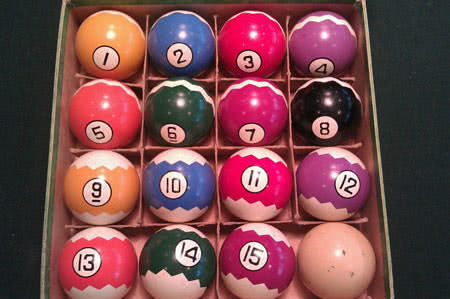
Antique Clay Zig Zag Pool Ball Set With Original Cardboard Box. Size: 2 1/4". Please call for price. (Item 24)
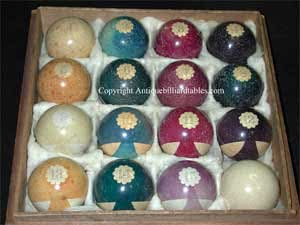
Antique Burt Clay Double Stripe Pool Ball Set, Circa 1880's. Size: 2 1/8". For reference only. WANTED! (Item 25)
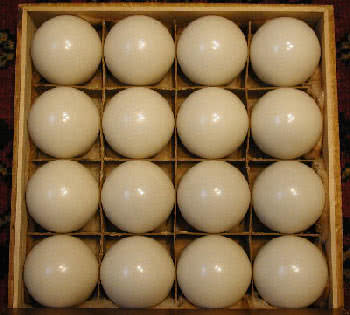
Antique Alonzo Burt Clay Cue Balls With Box, c1890's. Size: 2 5/16. Please call for price. (Item 26)
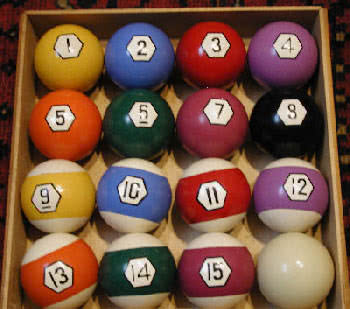
Antique Clay Direct Site Pool Ball Set With Original Wooden Box. For reference only. WANTED! (Item 27)

Antique Ivory Burt Double Stripe Pool Ball Set, 2 1/8". A very rare set of ivory pool balls with surface dyed colors and hand scrimshaw numbers. This set has a scallop around the numbers that is a combination star/flower pattern that is seldom seen. For reference only. WANTED ! (Item 33)