(Item 250)
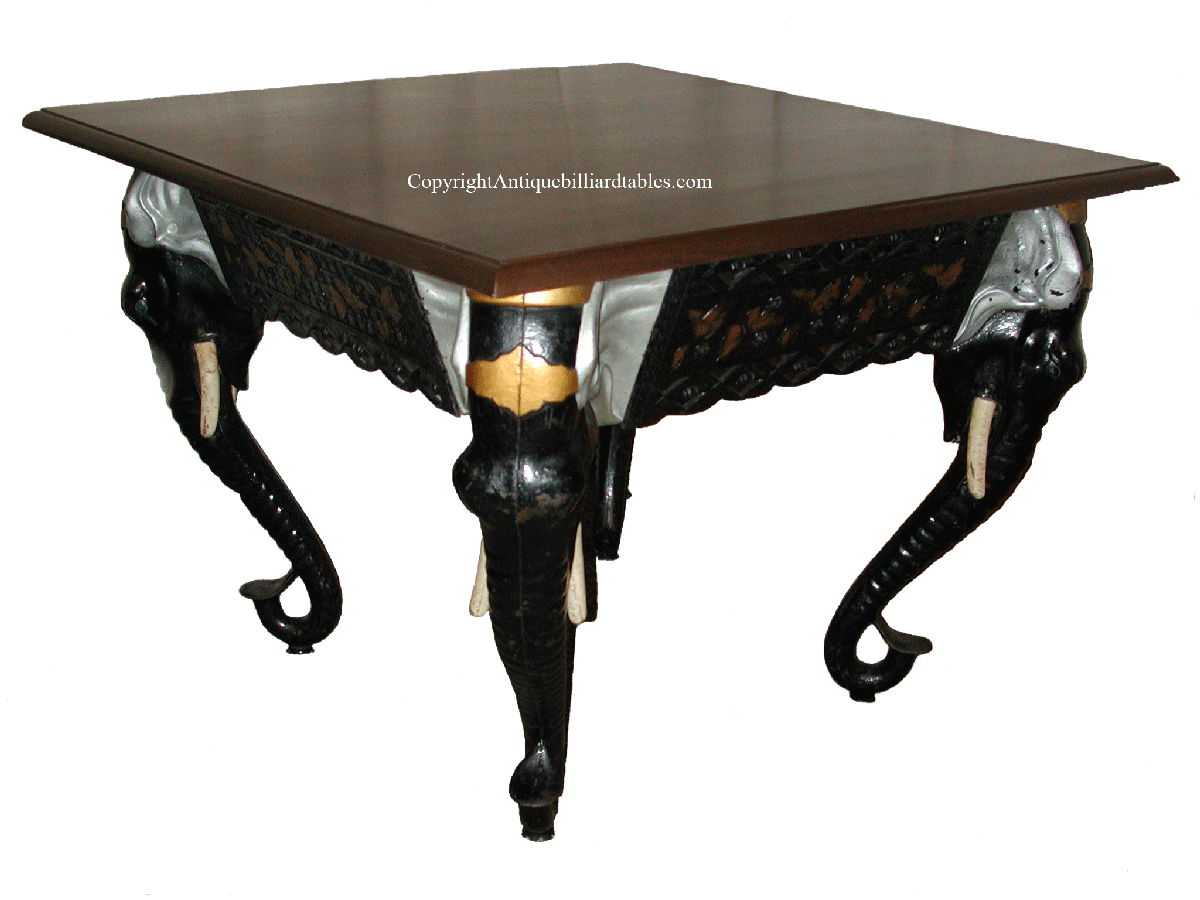
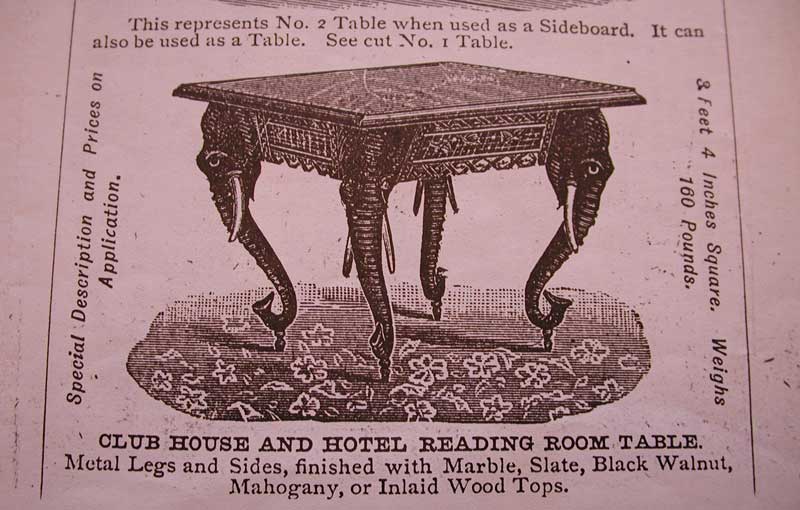
The C.G. Akam “Elephant Table” represents a very specific niche of high-Victorian design: the Museum-Grade Cast Iron Utility Table.
Historical & Aesthetic Context
C.G. Akam was known for producing heavy, ornate cast iron furniture that was meant to withstand the high-traffic environment of “Club Houses” and “Hotel Reading Rooms.” In the 1860s and 1870s, “Elephant” motifs were extremely popular as symbols of exoticism, strength, and the expanding British and American influence in global trade.
The “Museum” Designation: When a piece is labeled a “Museum” table, it often refers to its original use in a gallery or library setting where a heavy, non-tip base was required to support heavy books or artifacts.
Original Hand-Painted Butterflies: This is the “soul” of the piece. While the cast iron provides the industrial strength, the hand-painted butterflies on the side panels offer a delicate, Victorian contrast. To have these original (rather than repainted) is a massive boost to its appraisal value.
Size ($40″ \times 40″$): A square table of this weight and material is incredibly rare. Most cast iron tables from this era were smaller café or side tables. A $40″$ square footprint suggests it was a centerpiece for a reading room or a high-stakes card/game table.
Item Profile:
| Feature | Detail | Significance |
| Maker | C.G. Akam | Premier maker of ornate Victorian commercial ironwork. |
| Era | Late 1860s–1870s | |
| Material | All Original Cast Iron | Extremely heavy; requires specialized moving/shipping. |
| Artistry | Hand-painted Butterflies | Adds a “Folk Art” element to an industrial piece. |
Collector’s Value & Care
Provenance Note: If this table came from an actual named “Club House” or “Hotel Reading Room,” its historical value is doubled. Collectors of Ironwork and Victoriana look specifically for these “cross-over” pieces that served both functional and decorative roles.
Please email for price.