

(Item 55)
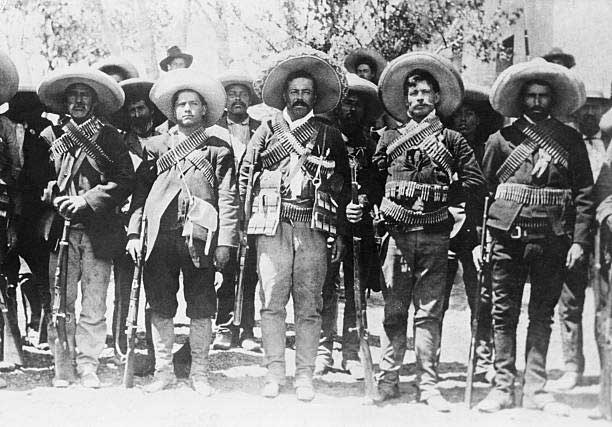
That is a classic “Old West” provenance! The connection to Pancho Villa adds a layer of legendary. The horse lady in her 80s we purchased these from, said she was told by her father who was a banker back in the day and left her these chips, that they may have come accross the Mexican boarder by Pancho Villa. The lifehood of border-town saloons in the late 19th century, and ivory chips were the ultimate status symbol for “banker” games.
The Anatomy of (The Chips)
Hand Scrimshawing: Unlike later machine-stamped chips, hand-scrimshawed ivory from the 1880s involves fine incisions filled with ink (usually black or red). The fact that these are double-sided significantly increases their value.
The $5 Denomination: In 1880, $5 was equivalent to roughly $150–$175 today. These weren’t for a casual Saturday night game; these were for professional gamblers and wealthy landowners.
Size (1 1/2″): This is above standard “Large” size for 19th-century ivory chips, providing a substantial weight and “clink” that early clay or composition chips couldn’t replicate.
Collectors’
| Feature | What to Look For |
| The Scrimshaw | Look for “Baleen” or “Lampblack” ink in the grooves. If the lines are perfectly uniform, they might be machine-pressed. Hand-etched lines show slight variations under a loupe. |
| Wear Patterns | Even “excellent” chips should show some “stacking wear”—slight smoothing on the faces where they rubbed against other chips for decades. |
| The Material | They should show Schreger lines. If you see tiny air bubbles or a perfectly uniform interior, they may be Celluloid or French Ivory (an early plastic). |
Investment Potential
Ivory gambling memorabilia is a “blue chip” (pun intended) niche. Single high-quality scrimshawed chips often sell for $150 to $300 each, especially when they have “Old West Saloon” or specific denomination markings.
Historical Note: The Mexico Connection
It’s very plausible these came through Mexico. During the 1880s, Mexico City and border hubs like Juárez were massive markets for European and American luxury goods, and ivory was often imported through Mexican ports to avoid certain U.S. tariffs of the era.
Please email for price.