(Item 70)
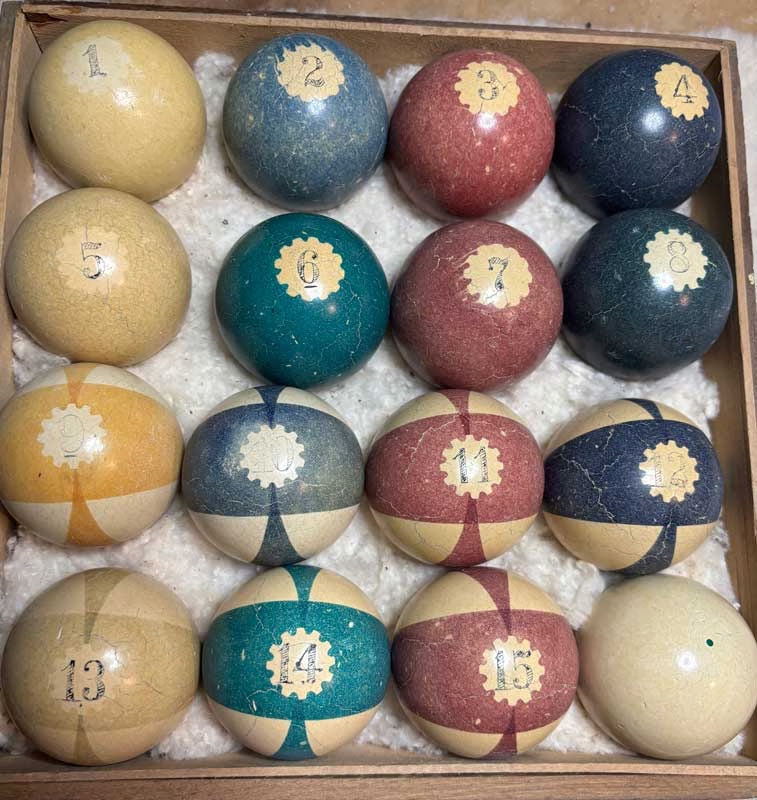
The Burt Double Stripe represents a peak of 1880s “composition” technology—offering the luxury look of ivory at a more accessible price point for the period’s growing middle-class billiard parlors.
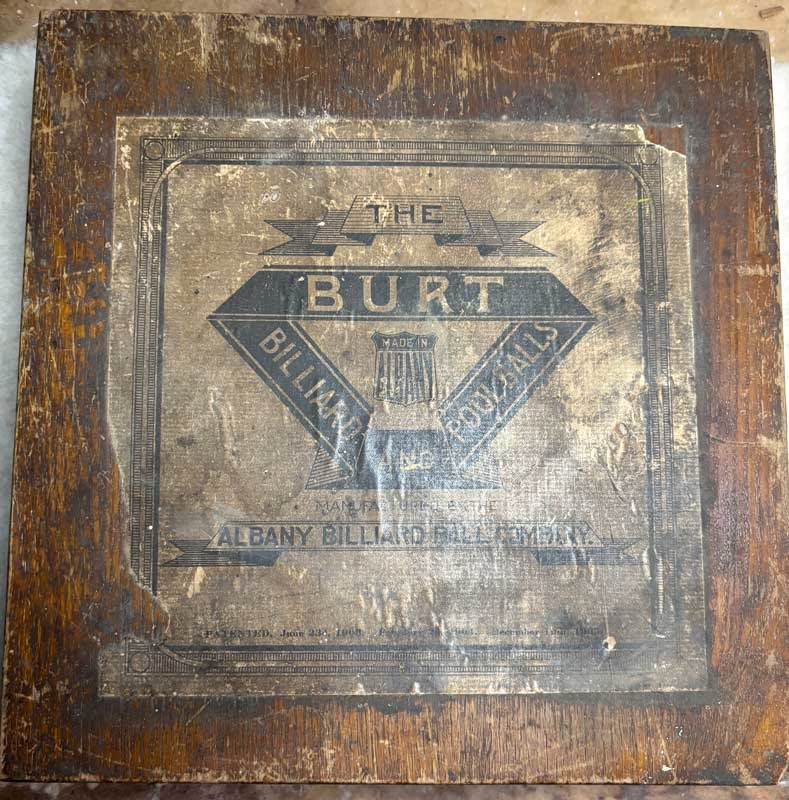
The “Burt” Innovation
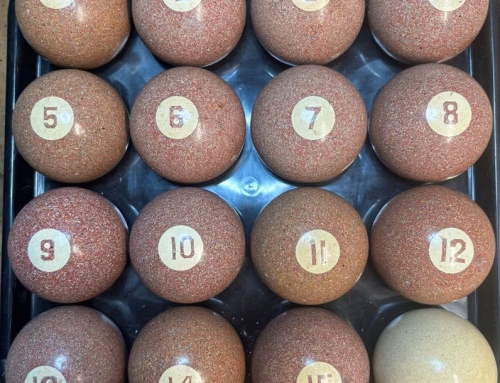
The Burt company was a major pioneer in early plastic-adjacent materials. While these are called “clay,” they are actually a sophisticated composite.
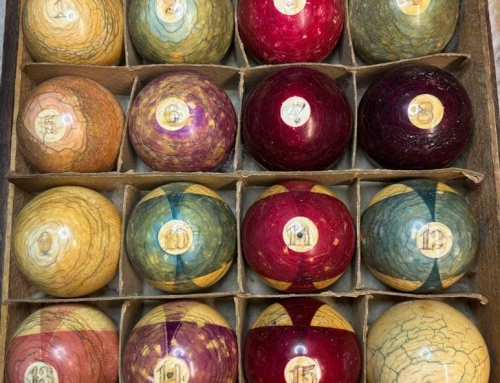
“Beach Ball” Double Stripe: This confirms that the double-stripe aesthetic wasn’t just for ivory; it was the “must-have” fashion of 1880s billiards across all materials.
Double Scrimshawed Numbers: Most balls were only numbered on one side. Having numbers on both sides was a premium feature, allowing players to identify the ball from any angle without walking around the table.
The Gear Pattern: This is a rare and highly decorative detail. The “gear” or “cog” engraving surrounding the number adds a mechanical, industrial-age flair that is distinctively Victorian. It served a dual purpose: it was beautiful and it helped the dye “bite” into the surface to prevent fading.
Item Profile:
Collector’s Note: The “Faux Ivory” Aesthetic
In the 1880s, the goal of a Burt set was to mimic ivory as closely as possible. The surface-dyed colors were applied to look like the stains used on Zanzibar sets. For a modern collector, the “Burt” set is often rarer than ivory because the composite materials were more prone to breaking over 140 years—finding a complete 15-ball set in this decorative style is a major win for MW.
Please email for price.