
Beyond the table itself, it is the smaller details that create a truly authentic atmosphere. Explore our unique inventory of antique billiard ephemera and miscellaneous accessories. This curated selection includes antique neon lighted clock marquees, original billiard lithographs, and rare Tally Pool (Kelly Pool) shake bottles. Discover a world of history through our antique Brunswick letterheads, vintage double-sided billiard chalks, and historic scorekeepers. Perfect for the serious collector or as a centerpiece for a luxury game room, these one-of-a-kind items offer a tangible connection to the golden age of billiards.
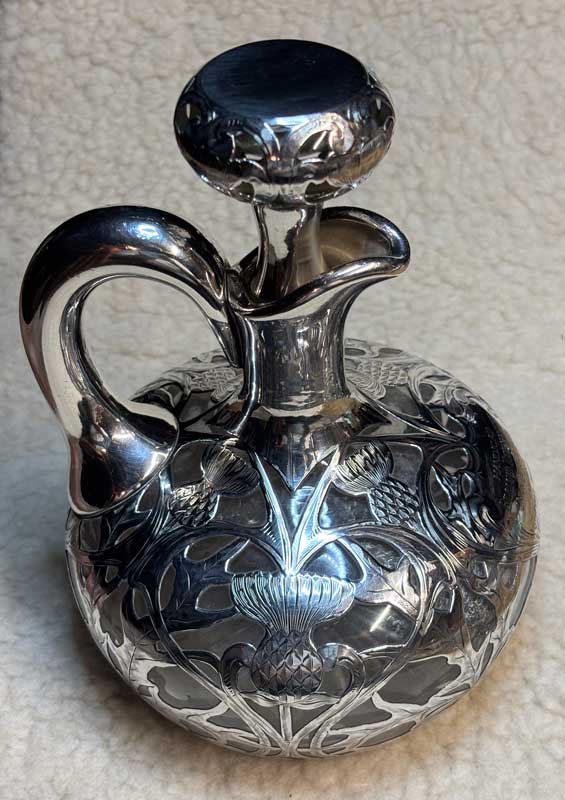
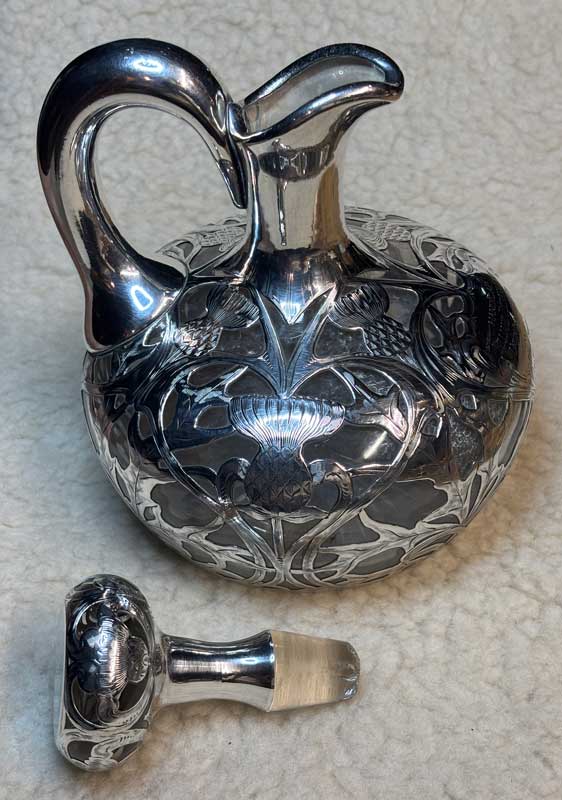
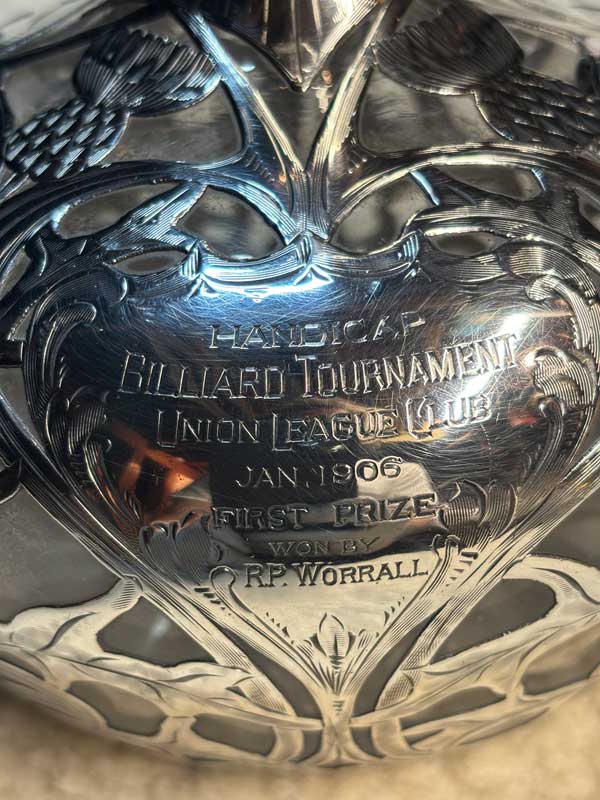
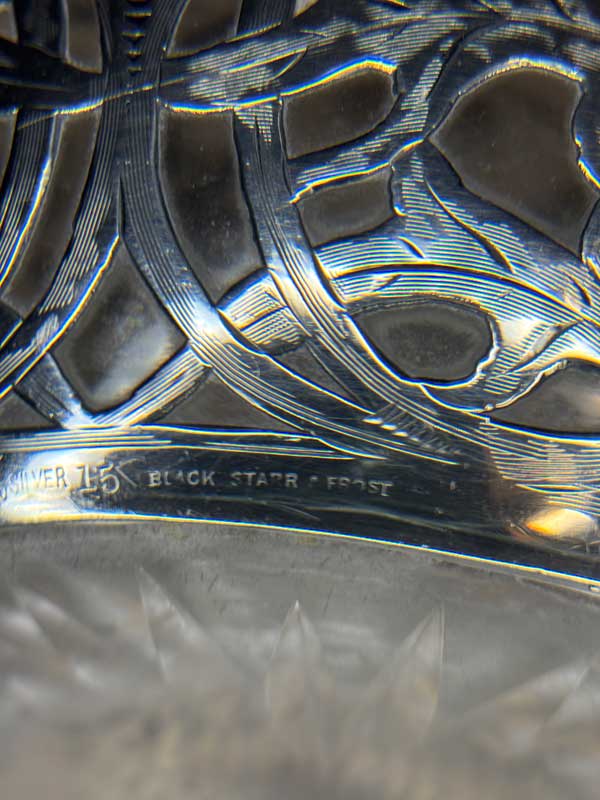
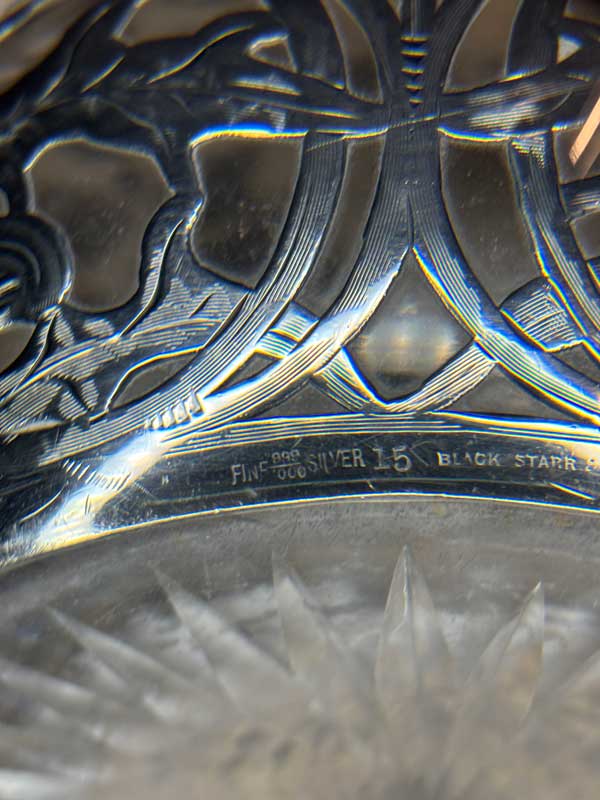
Masterpiece 1906 Antique Sterling Silver Billiard Trophy Decanter | Black, Starr & Frost
(Item 255) Exceptional, one-of-a-kind 1906 vintage billiard trophy decanter. Originally awarded as a 1st Place prize at the prestigious Billiard Union Club, this rare antique artifact features exquisite 999 fine sterling silver overlay on hand-blown crystal. Produced by the renowned Black, Starr & Frost of New York—the legendary rival to Louis C. Tiffany Co.—this piece stands as a testament to early 20th-century luxury and historic sporting prestige. Item Details: Material: 999 Fine Sterling Silver overlay, leaded crystal Dimensions: 8 1/2" H x 6" W Provenance: 1906 Billiard Union Club 1st Place Award Condition: Excellent Antique Beyond its storied history, the [...]
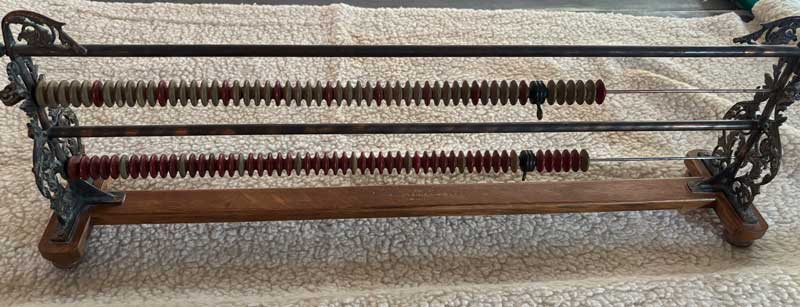
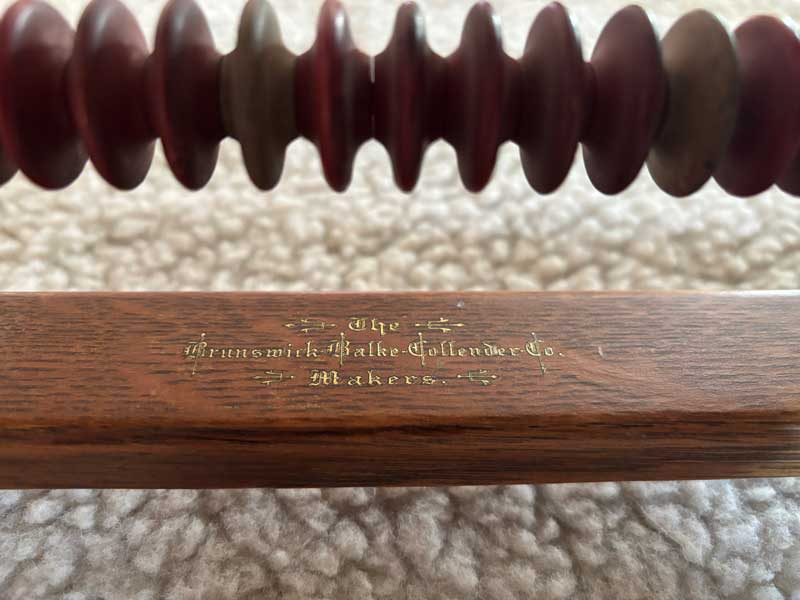
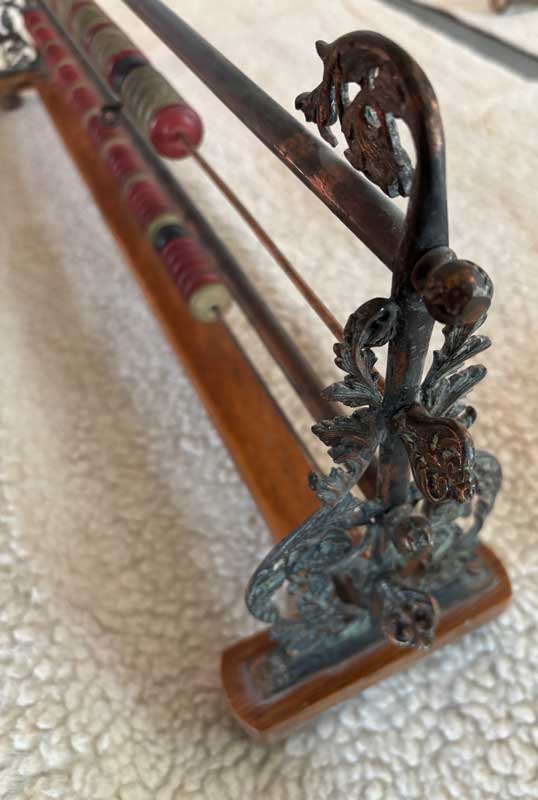
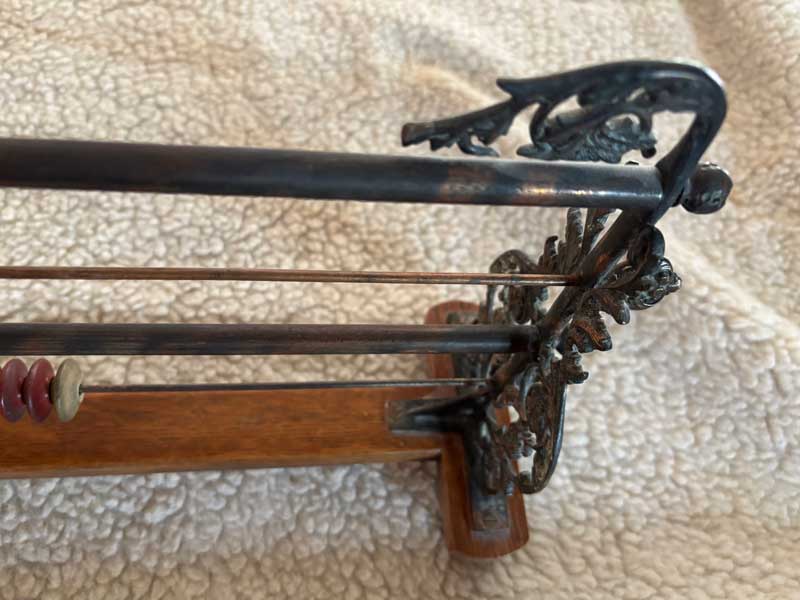
Rare Antique Brunswick-Balke-Collender Variegated Copper Score Keeper | Circa 1880s
(Item 254) Complete your billiard room’s high-end aesthetic with this exceptionally rare Brunswick-Balke-Collender Co. mantel-top score keeper. Dating to the 1880s, this piece features a stunning variegated copper finish, a hallmark of premium Victorian-era metalwork that provided a sophisticated, multi-tonal alternative to standard wood or brass. Item Details: Manufacturer: Brunswick-Balke-Collender Co. Era: Circa 1880s (Victorian / Gilded Age) Finish: Rare Variegated Copper Design: Mantel-Top / Pedestal Style Dimensions: 32" L x 11" H x 5 1/2" Unlike common wall-mounted plastic or wood scorers, this pedestal-style mantel tracker was designed to sit prominently atop a back bar or a dedicated mantelpiece, [...]
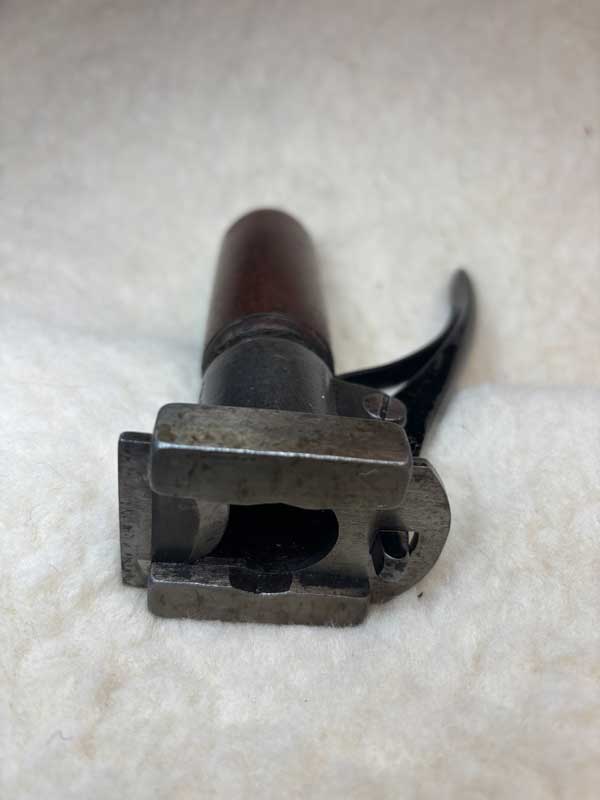
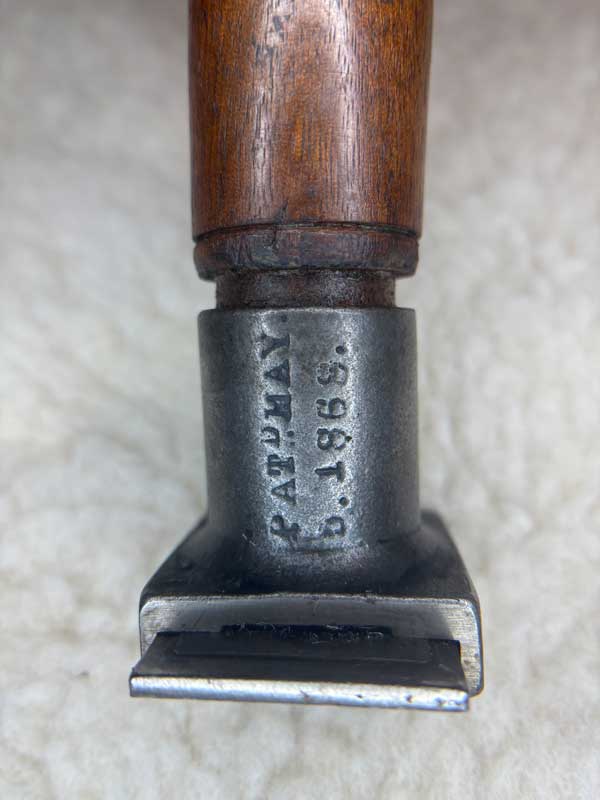
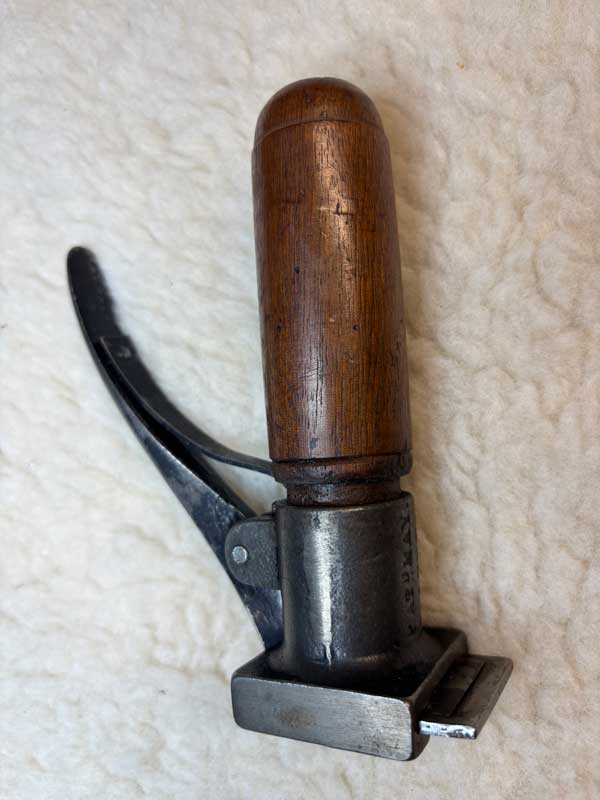
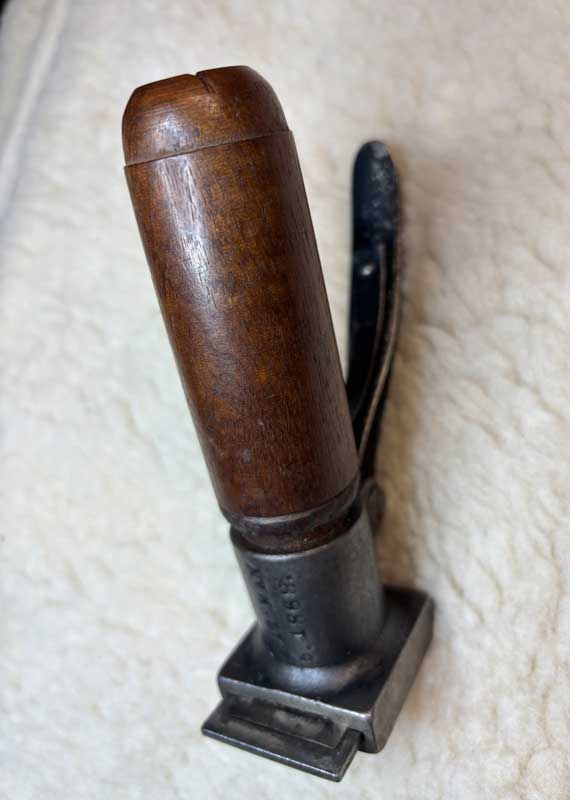
Antique H W Collender Co Billiard Cue Tip Tool Pat. May, 5th 1868
(Item 252) Historical Context: H.W. Collender Co. Hugh W. Collender was one of the titans of the billiard industry. His company eventually merged with Phelan & Braun to form Phelan & Collender, which later became part of the legendary Brunswick-Balke-Collender Company. The Patent: 1868 was a pivotal year for billiards. Before this era, cue tips were often rudimentary. A specialized tool from Collender shows the professionalization of the game—moving from a casual pastime to a sport requiring precision maintenance. The Function: In the mid-19th century, tips were often glued with inconsistent adhesives. This tool was designed to cleanly shear or [...]
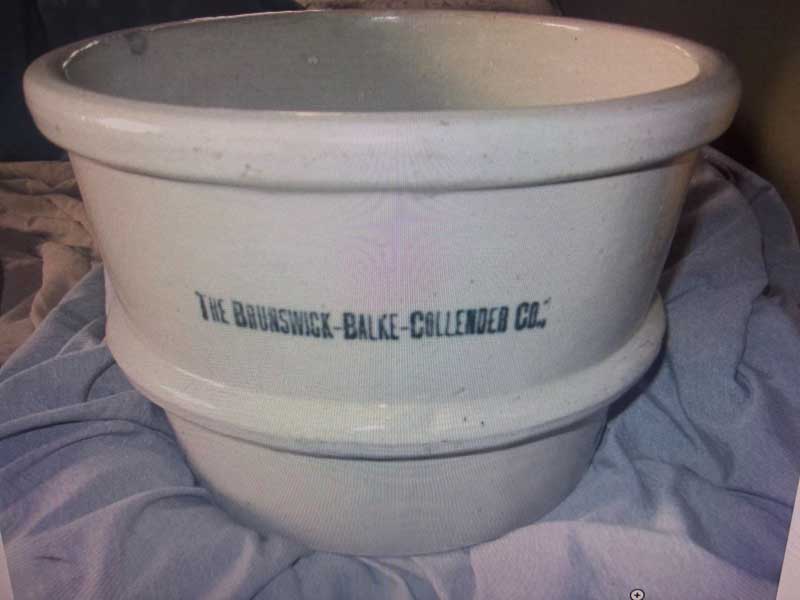
Brunswick Balke Collender Co – Spittoon, c1900
(Item 251) This is a gritty, authentic piece of Americana that perfectly captures the "no-nonsense" atmosphere of a turn-of-the-century billiard parlor. Historical Context: The Brunswick-Balke-Collender Co. By 1900, the merger of the three biggest names in the industry was complete. They didn’t just sell tables; they sold an entire lifestyle. A "Brunswick Room" would have everything from the cues to the floor-standing spittoons, all branded to ensure the customer knew they were in a premium establishment. Material (Stoneware): Unlike brass spittoons, which required constant polishing, stoneware was heavy, durable, and easy to hose out. It was the "industrial grade" choice [...]
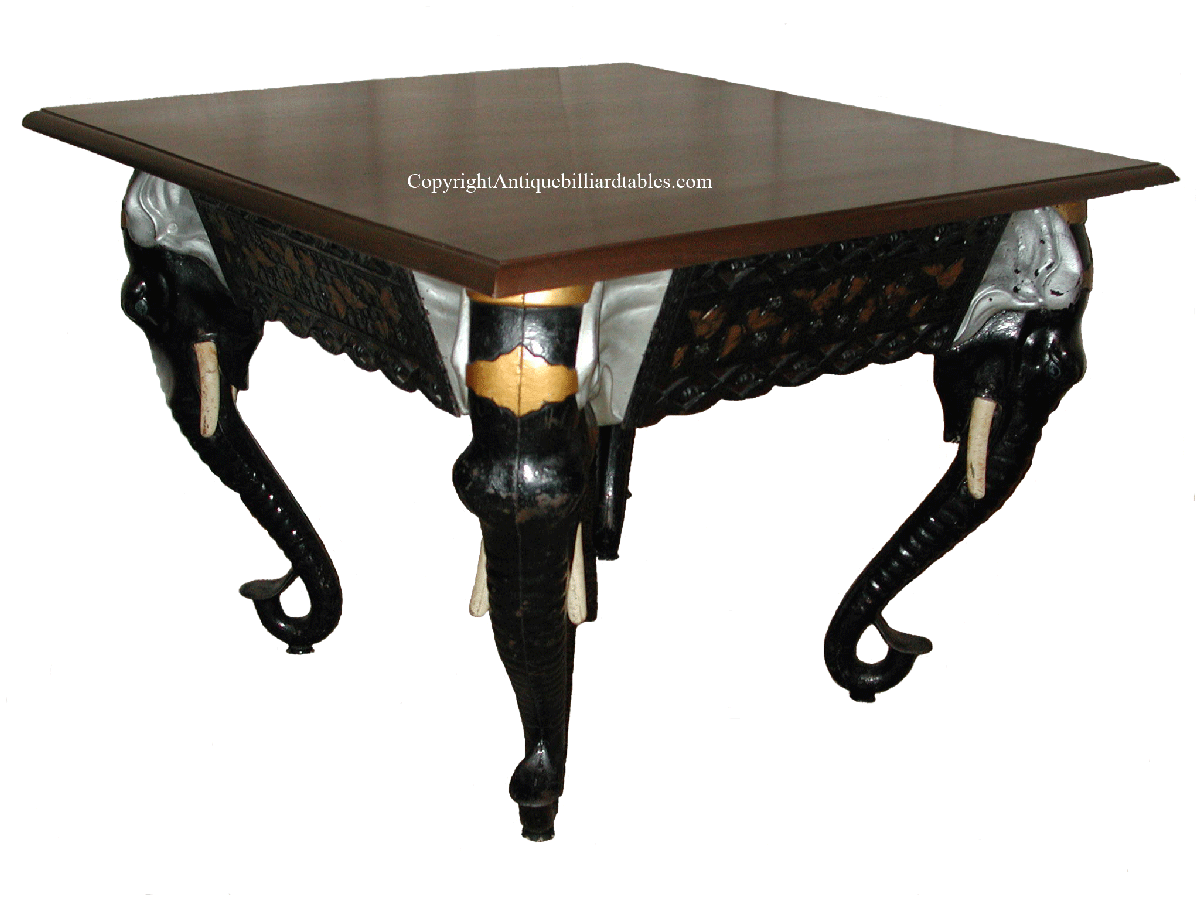
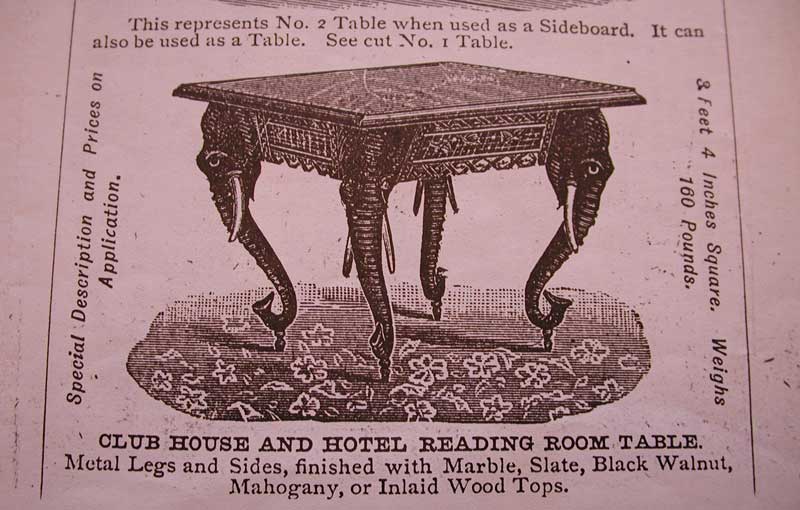
C.G. Akam Co – Cast Iron Elephant Table – Club House And Hotel Reading Room Table circa late 1860’s to 1870’s
(Item 250) The C.G. Akam "Elephant Table" represents a very specific niche of high-Victorian design: the Museum-Grade Cast Iron Utility Table. Historical & Aesthetic Context C.G. Akam was known for producing heavy, ornate cast iron furniture that was meant to withstand the high-traffic environment of "Club Houses" and "Hotel Reading Rooms." In the 1860s and 1870s, "Elephant" motifs were extremely popular as symbols of exoticism, strength, and the expanding British and American influence in global trade. The "Museum" Designation: When a piece is labeled a "Museum" table, it often refers to its original use in a gallery or library setting [...]


Antique Brunswick Balke Collender Co, Original – International Billiard Color Lithograph Poster c1883
( Item 249) This is the definitive "paper trail" for the golden era of American billiards. In the world of sports ephemera, an original 1883 Brunswick-Balke-Collender (BBC) lithograph is equivalent to a "Holy Grail" find. To find one in Museum Quality after 143 years is nearly miraculous, as these were usually printed on acidic paper that becomes brittle or "browns" (foxing) over time. Historical Significance: The 1883 Chicago World Championship The date—April 17, 1883—marks a pivotal moment in the professionalization of the sport. At this time, Chicago was the headquarters for the newly merged BBC empire. The "World Championship" Context: [...]

Antique Spinks Round Chalk c1897
(Item 248) Is a tiny but mighty piece of "industrial revolution" history for the billiard room. While the Spinks name is still legendary in the world of cues and tips, their 1897 Round Chalk represents a major shift in how the game was played. The Innovation of 1897 Before the late 1890s, chalk was often just raw, white carpenter’s chalk or messy "dusty" blocks. William A. Spinks of Chicago changed everything when he patented a specific chemical compound of silica and alundum (aluminum oxide) that stayed on the tip longer. The "Round" Shape: Today, we are used to square cubes [...]

Antique Spinks Square Chalk c1897
(Item 247) Appearing right alongside its "round" sibling. While William Spinks is often remembered for the puck-style chalk, the Square Chalk from c.1897 represents the birth of the modern standard that players still use over a century later. The Evolution of the Cube By 1897, the billiard industry was experimenting with shapes to see what players preferred. While the round "Spinks" was iconic, the square block proved more efficient for manufacturing and packing—and it didn't roll off the rail of the table as easily! The Patent: Spinks and his partner, William Hoskins, actually received their patent in 1897. This was [...]


Kojl Yamada and Willie Hoppe, Billiards Champions
(Item 244) Is a monumental piece of sports photography. It captures the exact moment the "Old World" of billiards met the "New World" in the form of a teenage Willie Hoppe, the man who would become the face of the sport for half a century. The "Boy Wonder" and the Japanese Master The timing of this photograph (c.1906/1907) is critical. In 1906, an 18-year-old Hoppe shocked the world by defeating the legendary Maurice Vignaux in Paris. This portrait likely captures him during his "victory tour" or the subsequent exhibitions where he was first being marketed as the undisputed king of [...]


Antique Pool Parlor Advertizing Fan NJ c1900
(Item 243) The addition of the Antique Pool Parlor Advertising Fan (c.1900) from New Jersey ( adds a layer of "social DNA" to any collection. In the late Victorian and Edwardian eras, advertising fans were more than just cooling tools—they were the "billboards" of the sidewalk. The Significance of Item A pool parlor fan from New Jersey at the turn of the century is a localized historical artifact. Here is why it holds weight for a collector: The Golden Age of New Jersey Billiards: Around 1900, New Jersey was a hub for high-stakes pool rooms and manufacturers (like the early [...]

Antique Brunswick Manhattan Club Billiard Chalk
(Item 242) This is the "holy grail" of billiard ephemera. Finding six unused boxes of Brunswick Manhattan Club chalk is like finding a sealed case of vintage wine from a legendary vineyard. In the late 19th and early 20th centuries, "Manhattan Club" was Brunswick-Balke-Collender’s premium brand, marketed specifically to the elite private clubs and high-end billiard parlors. The "Time Capsule" Appeal of Item For a serious collector, the value here isn't just in the brand—it’s in the pristine state of preservation. * The "Unused" Premium: Most antique chalk was ground down to a nub or discarded once it pitted. Finding [...]


Brunswick Balke Collender Co – Tally Pool Bottle
(Item 241) Brunswick-Balke-Collender (BBC) Leather Tally Pool Bottle, marks the departure of a crucial "tactile" piece of history. The tally bottle (often called a "shake bottle" or "pea bottle") was the heartbeat of the social game. In the late 19th century, leather tally bottles were the standard for games like "Kelly Pool" or "Pill Pool," where players drew numbered wooden peas to determine their hidden objectives. Please email for price.


Antique J.M. Brunswick & Balke Co c1870’s Original Billiard Lithograph Rules Poster & Frame.
(Item 239) By having the American Bank Note Co. handle the printing for J.M. Brunswick & Balke Co., the firm was making a statement: Billiards was no longer a basement pastime; it was an institution of high finance and precision. The fact that this dates to the 1870s—the pivotal decade of the Brunswick and Balke merger—makes this a foundational document of American sporting history. The "Bank Note" Level of Detail Because the American Bank Note Co. printed this, it possesses a level of security and artistry usually reserved for $1,000 gold certificates. For the investor, this means: Micro-Line Engraving: The [...]


Antique Billiard Rail Bolt Wrench c1890s
(Item 238) This is the "unsung hero" of the billiard room. While the cues and chandeliers get all the glory, a Rosewood-handled rail bolt wrench This is a sophisticated piece of specialized tool history. In the 1890s, a billiard table wasn't just furniture; it was a precision instrument. These wrenches were essential for tightening the massive bolts that secured the heavy slate rails to the table frame. Why the Rosewood Handle Matters Today, we use utilitarian steel wrenches, but in the late 19th century, even the tools were designed to match the luxury of the room. Material Synergy: High-end tables [...]

Antique Brunswick Balke Collender Co Home Billiard Table Promotion (Ladys Playing Billiards) by Thompson & Brown c1903 Original
(Item 237) This is a fascinating piece of social history. It isn't just "wall art"; it’s a primary source document from one of the most aggressive and successful marketing campaigns in sporting history: The "Home Billiard" Push of the early 1900s. By 1903, Brunswick-Balke-Collender (BBC) was desperately trying to shed the "seedy pool hall" image associated with gambling and smoke-filled rooms. To do this, they hired photographers like Thompson & Brown to create imagery that repositioned billiards as a refined, domestic pursuit for the Victorian elite—specifically targeting women. Sold. Please check with us on others. Why This Photograph is Rare The [...]
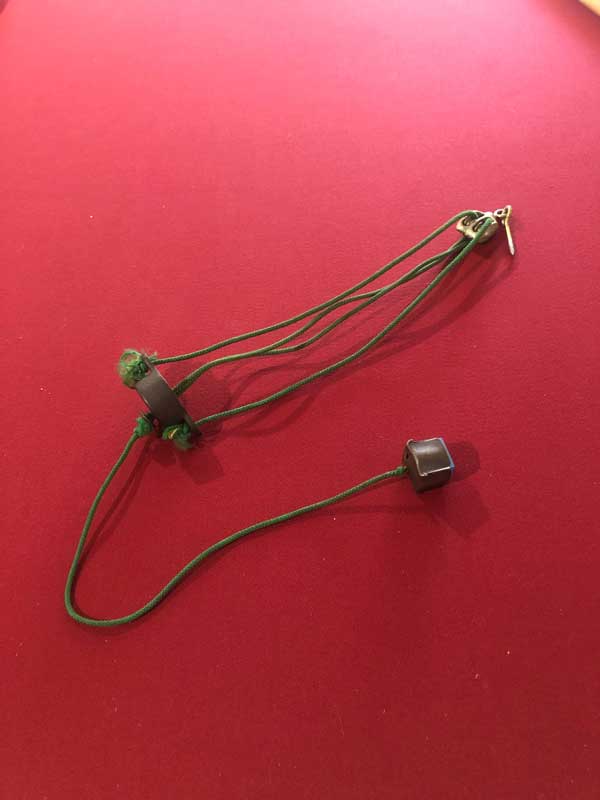
Antique Brunswick Balke Collender Billiard Chalk Retactable Counterweight System
(Item 236) This Brunswick-Balke-Collender Retractable Counterweight System. This is a brilliant example of Victorian-era engineering designed to solve a simple but persistent problem: the "disappearing" piece of chalk. In the high-traffic billiard parlors of the late 1800s and early 1900s, chalk was often lost, pocketed by accident, or left on the rail where it could smudge a player’s sleeve. This system was the luxury solution. How the System Works The "Retractable Counterweight" is a purely mechanical, gravity-based system. Unlike modern spring-loaded "retractors" that can snap or lose tension, this system used a decorative cast-iron or brass weight (often shaped like a [...]

Hamm’s Beer Dancing Goblets Neon Sign c1958/59
(Item 235) This Hamm’s Beer "Dancing Goblets" Neon Sign is indeed the "Holy Grail" for breweriana collectors. While many Hamm’s signs used "motion" (rippling water effects), this c. 1958/59 sign used progressive sequence neon—a much rarer and more expensive technology at the time. We buy sell trade these signs and parts. Coming out of an old pool hall front window, this piece represents the peak of mid-century "spectacular" advertising. The "Dancing" Sequence The goblets blinking one by one before flashing in unison—is the hallmark of the four-mug progressive neon. This was designed to catch the eye of passersby from the street, [...]

Antique Brunswick Balke Collender Co Pocket Billiard Triangle
(Item 234) This Brunswick-Balke-Collender (BBC) Pocket Billiard Triangle. This is the essential "workhorse" of a turn-of-the-century pool room. While many triangles from this era were simple wood frames, the double brass straps in the corners mark this as a professional-grade, "heavy-duty" model designed for longevity. Technical & Material Details Double Brass Straps: In the 1890s and early 1900s, the constant stress of "tight racking" would often cause the joinery of wooden triangles to fail. BBC solved this by wrapping the corners in brass. The "double" strap (one on the top edge, one on the bottom, or reinforced on both sides [...]

Antique BBC Ivory Tally Ball Set With Box c1880’s
(Item 61/233) Brunswick-Balke-Collender (BBC) Ivory Tally Ball Set (c. 1880s), Why the "Boxed Set" is the Ultimate Investment In the antique billiard world, "boxed" ivory sets are the gold standard for appreciation. Here is why this is a particularly strong investment: The Original Housing: Most ivory tally balls were separated from their boxes over 140 years. The box doesn't just provide provenance via the BBC label; it serves as a micro-climate. Ivory that has lived in a wooden box is often shielded from the rapid temperature changes that cause "checking" (deep cracks) in exposed ivory. The Complete "Shake": These sets [...]

Antique Brunswick Balke Collender Co Ivory Tally Ball Set c1880’s.
(Item 60/232) This 3/4" BBC Ivory Tally Ball Set represents the smallest, most intricate end of the 19th-century ivory spectrum. Unlike the larger billiard balls, these were designed for "Shake" or "Kelly" pool, where the "clack" of the ivory in a leather tally shaker was a signature sound of the Victorian game room. Finding a #1 through #16 set in "Museum Quality" is truly exceptional, as these small spheres were easily lost or misplaced over the last 140 years. The Craftsmanship of "Small-Scale" Ivory Precision Scrimshaw: At only 3/4", the surface area for numbering is tiny. The fact that these [...]

Antique Mahogany 15 Ball Rack c1870’s
(Item 230) This Antique Mahogany 15-Ball Rack is a rare survivor from the decade that defined the American billiard industry. While the 1870s was a period of high-ornamentation for tables, accessories like racks were often treated with the same architectural reverence. The use of Mahogany combined with splined corners marks this as a high-end professional or private-club piece, rather than a common "pool hall" utility item. The Significance of Splined Corners In the 1870s, the "triangle" was the most stressed piece of equipment in the room. Most cheap racks were simply nailed or glued together, leading them to warp or split [...]
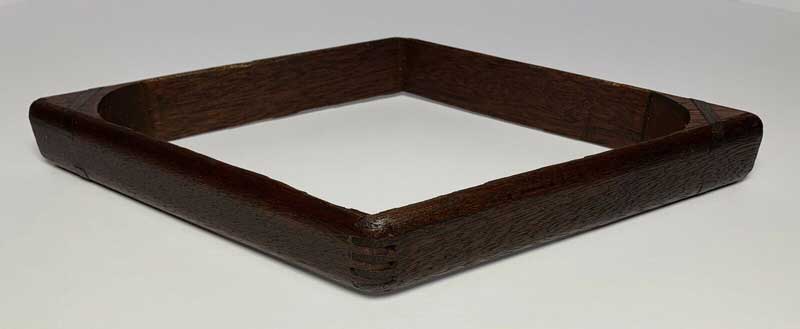
Antique Mahogany 9 Ball Rack c1870’s
(Item 229) The Antique Mahogany 9-Ball Rack is a remarkable companion to the 15-ball version but it is arguably even more significant for the history of the "short rack" games. In the 1870s, "9-Ball" as we know it today was in its infancy, often played as a faster, gambling-oriented alternative to the marathon 15-ball rotation games. Finding a diamond-shaped rack from this early period is rare, as many 9-ball games were originally racked in the front of a standard triangle before specialized racks became common. The Diamond Engineering While the 15-ball triangle is a naturally stable shape, the 9-ball diamond [...]

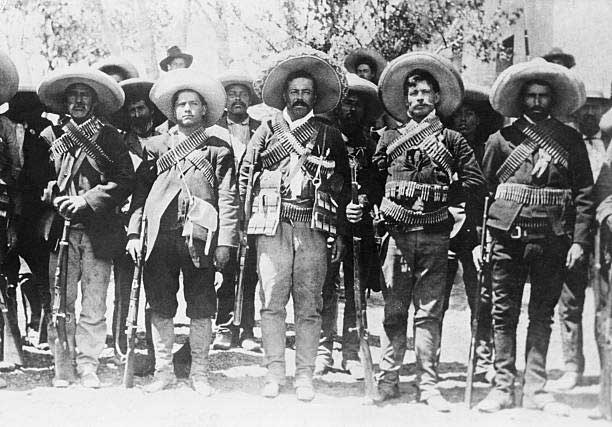


Antique Ivory (Fancy) Hand Scrimshawed Old West Saloon $5 Poker Chips c1880’s
(Item 55) That is a classic "Old West" provenance! The connection to Pancho Villa adds a layer of legendary. The horse lady in her 80s we purchased these from, said she was told by her father who was a banker back in the day and left her these chips, that they may have come accross the Mexican boarder by Pancho Villa. The lifehood of border-town saloons in the late 19th century, and ivory chips were the ultimate status symbol for "banker" games. The Anatomy of (The Chips) Hand Scrimshawing: Unlike later machine-stamped chips, hand-scrimshawed ivory from the 1880s involves fine [...]
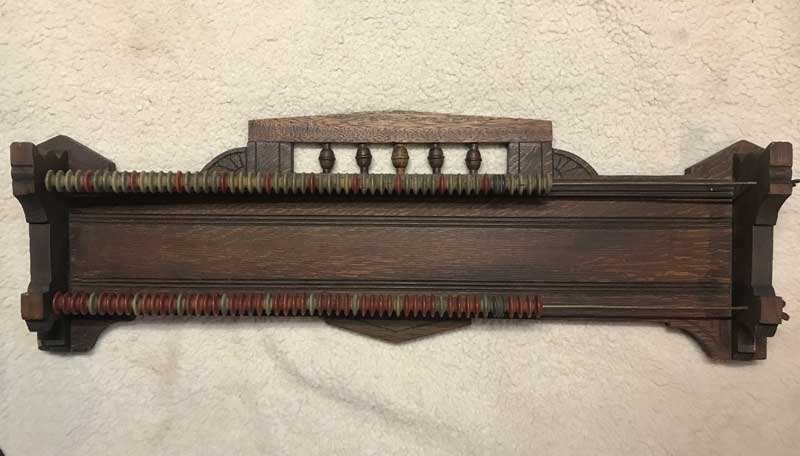
Antique Eastlake Billiard Scorekeeper c1880’s
(Item 227) This is a quintessential piece of Victorian "Billiard Americana." The Eastlake style (named after architect Charles Eastlake) was the height of sophisticated interior design in the 1880s, moving away from the "cluttered" French curves of the mid-century toward the geometric, incised, and honest craftsmanship seen here. Why this is a Collector’s Choice Quarter-Sawn Oak: This wasn't just a budget choice. Quarter-sawing was a premium milling technique that revealed the "flake" or "tiger stripe" grain of the wood. It also made the wood incredibly stable—essential for a scorekeeper where sliding parts need to move smoothly without warping over 140 [...]

Antique Victorian Cox & Yeman Billiard Score Keeper c1880s/1890s
(Item 226) Finding a hand-held scorekeeper from a maker as prestigious as Cox & Yeman—especially one in Burl Walnut—is genuinely like finding a needle in a haystack. Most Victorian scorekeepers were large, wall-mounted "cabinets." A hand-held version was likely a bespoke commission for a referee or a high-ranking club official. Why "Burl Walnut" and "Hand-Held" Matters The Material: Burl walnut comes from the knotted, swirling grain of a tree's root or a growth on the trunk. It is notoriously difficult to carve because the grain goes in every direction. Using it for a small, hand-held device in the 1880s was [...]